How Nuns Are Saving Endangered Salamanders in Mexico
Dominican nuns near Lake Pátzcuaro, Mexico's third-largest lake, help conserve axolotls every day! They are based at a convent in Pátzcuaro and are focused on working with salamanders that are known as the achoque, a close relative of the axolotl) from extinction. However, these Dominican sisters at the Monastery of Our Lady of Health also use achoques for generations to produce a traditional cough syrup.
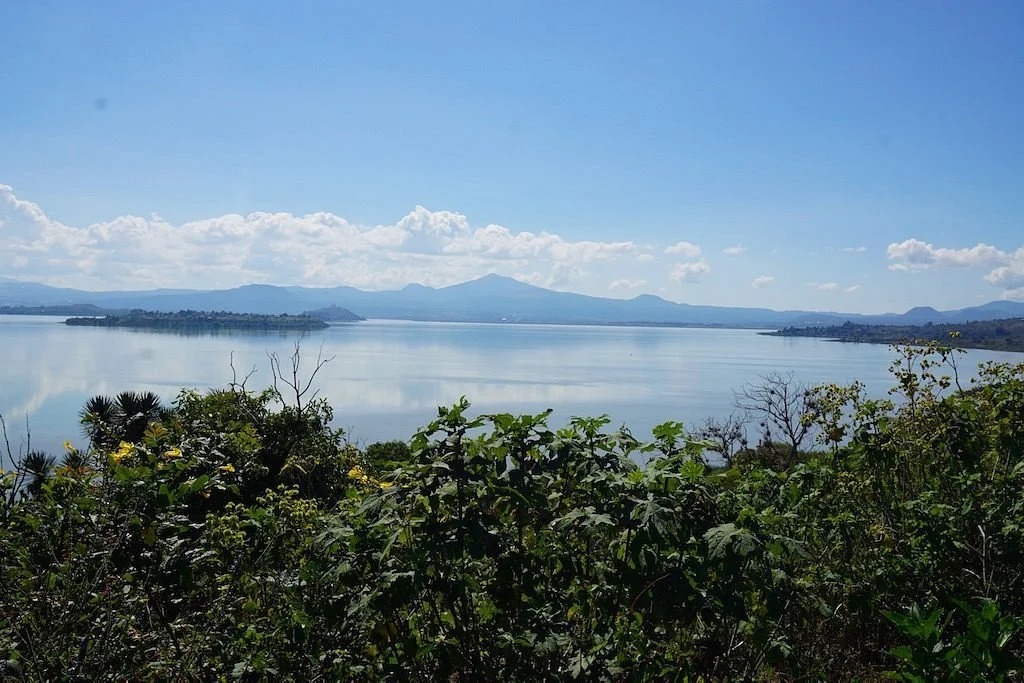
Lake Pátzcuaro is a little more than 200 miles west of Mexico City with an endorheic drainage basin, meaning water flows in but never flows out. It sits at 2,035 meters (6,675 feet) above sea level and is a very studied, important lake in Mexico, harboring several species found nowhere else on Earth.
But what enters the lake stays in the lake. However, wild salamander populations crashed in the 1980s because of pollution and overfishing.
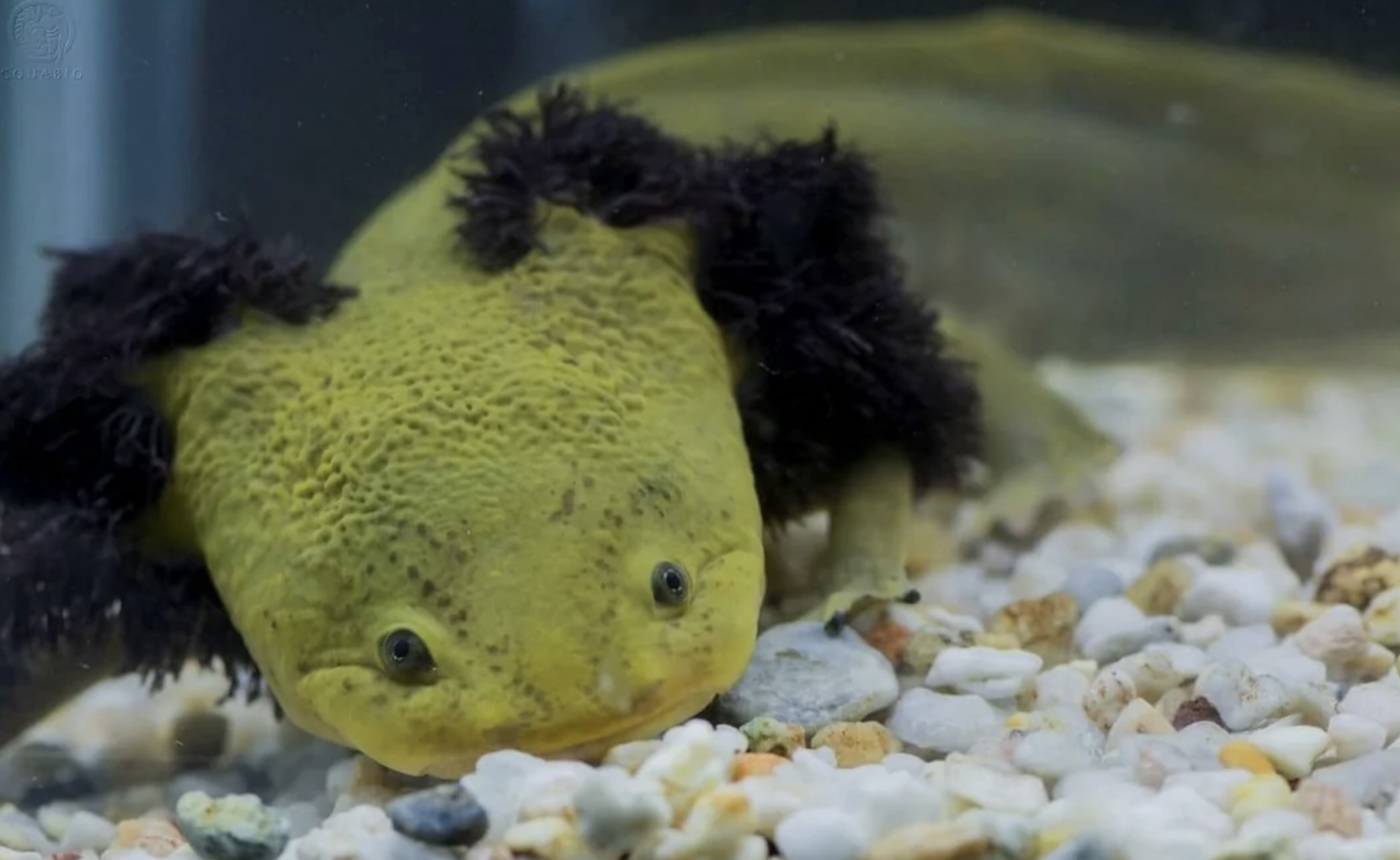
Local Achoque Conservation Efforts
The local nuns realized both the species and their convent’s livelihood were at stake, so they began their conservation breeding program. These “achoques” are paedomorphic salamanders (Ambystoma dumerilii) that live their entire lives in freshwater. The achoque, scientifically known as Ambystoma dumerilii, is a paedomorphic salamander. It has gills that flare out when submerged and looks very similar to its relative, the axolotl. Sadly, they are critically endangered, with rough estimates suggesting fewer than 100 individuals remain in the wild.
However, the lake has been shrinking because of soil erosion, loss of forested areas, and climate change. Reports indicate it has shrunk by 40 km2 [15.4 mi2] and lost 2.6m [8.5 ft] of depth. The lake has also been incredibly polluted with sewage and fertilizer runoff. These contaminants have become highly concentrated and have devastated these salamanders.
Achoques have permeable skin, so environmental toxins negatively affect their well-being. They need clean water to thrive and protection from overharvesting. Predatory fish and parasites also threaten them, contributing to their decline.
Omar Dominguez, a conservation biologist at Morelia’s Michoacán University, explained they will be gone in 20-30 years if nothing changes. Scientists have even estimated that fewer than 150 adults remain in the wild. But Dominican Catholic nuns have 300 salamanders at their monastery, the world's largest known captive population. Gerardo Garcia, a Chester Zoo expert, said this was probably the first time a religious community had been involved in amphibian conservation and that everyone can be a conservationist.
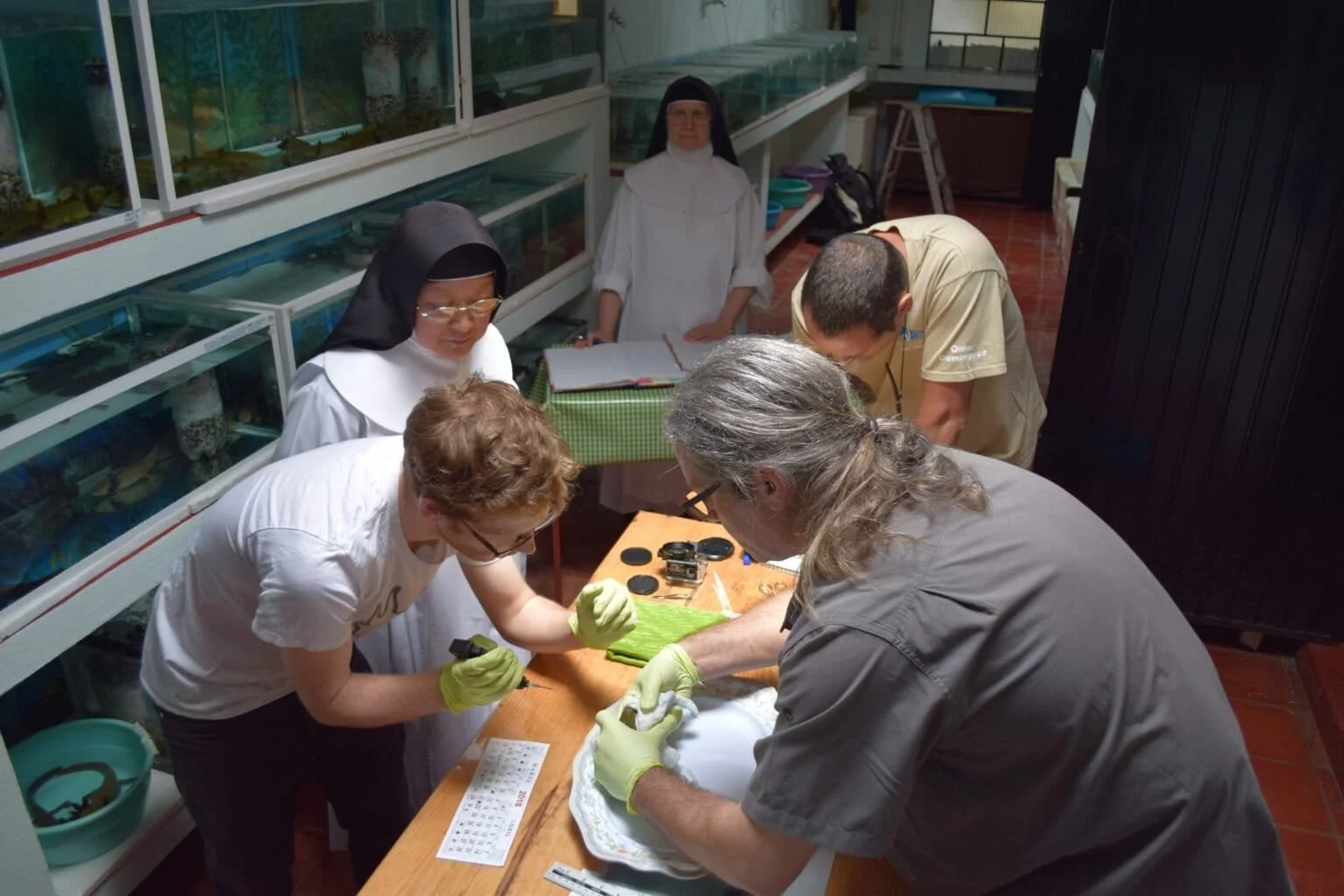
Photo courtesy of Chester Zoo, UK.
Mexican Nuns Saving Achoques
The monastery is located beside a 16th-century basilica in Pátzcuaro, Mexico. Dominican nuns work between rows of aquarium tanks to ensure water quality and feed hundreds of salamanders earthworms.
Sister Ofelia Morales Francisco has cared for these endangered salamanders for nearly 20 years. They have raised many generations. Sister Ofelia explained that the best way to get them to copulate is by mating a male with three females. She explained, “We have to raise the offspring very carefully, because they try to eat each other.”
The Dominican sisters' efforts at the Monastery of Our Lady of Health are not entirely altruistic. They have made a traditional cough syrup for generations, with some sources saying the practice dates back 150 years. The syrup is believed to treat respiratory ailments such as coughs and asthma, as well as anemia. It has become the convent's main source of income and sells for 200 pesos (about $10) per bottle.
A dedicated team cares for the amphibians by living and working at the breeding facility. They explain that about three to four nuns focus on this, attending to various tanks t in two large rooms that can hold up to 400 salamanders. This attentive dedication to feeding, cleaning their water, and maintaining the facility creates an ideal environment for this endangered species.
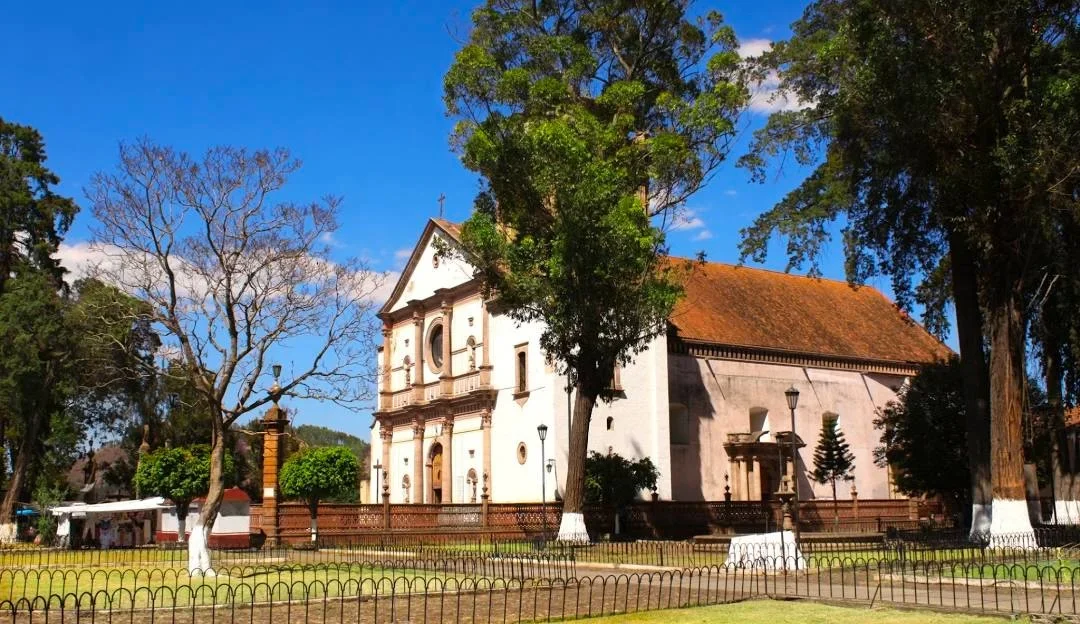
Photo Courtesy of Basilica of Our Lady of Health
Microchipping Endangered Mexican Achoques
Alongside caring for these amphibians, the nuns also implant chips in salamanders to identify individuals during catch-and-release health checks. Identifying individual achoques is very hard, so the chips store data on each animal's sex, health status, and approximate age. Reports indicate that the microchips stay in them about 97.5% of the time. They have no negative effects on salamanders, and they lack natural markings for identification. The amphibians absorb the microchips into their bodies and then push them out through their skin over time!
The nuns explain that they tag salamanders quickly, with minimal handling stress, by implanting the chip in a skin fold! The entry site closes and heals without tissue adhesive or aftercare, and studies have found no significant loss or behavioral changes in the months following chip implantation. So it's great that the entire procedure takes minutes, but the chip can last the salamander's entire life.
Conservationists have even planned to catch and microchip the remaining wild achoques so they can reliably monitor their health and population numbers in Lake Pátzcuaro. Typically, they conduct surveys using nets in the lake, often in direct collaboration with local community fishermen.
The Chester Zoo Achoque Conservation
The Chester Zoo also has a small population of Lake Pátzcuaro salamanders in England, and the Michoacán University and a private breeder have populations in Mexico. However, the convent's efforts are incredibly powerful because the salamanders live closest to their native environment. This matters because, when they are closer to the lake, they are less likely to be exposed to alien pathogens.
Adam Bland, assistant team manager for amphibians at Chester Zoo, once explained that:
“We were chipping them with the nuns watching protectively,” and that “It’s a real demonstration of how anyone can be involved in conservation. People from all different backgrounds are working to save this species.”
Conservation matters, especially since salamanders are top predators that help preserve Mexican biodiversity. They have also been a staple of the region since Pre-Hispanic times and are a very popular cultural symbol.
Saving the Achoques
It will take a long time to address the array of issues found in Lake Pátzcuaro effectively and comprehensively. It also requires collaboration, teamwork, and dedication in fostering conservation efforts that will ensure their livelihood for years to come.
Consider supporting the efforts of these Dominican sisters at the Monastery of Our Lady of Health conserving the achoques! Researchers hope to release captive-bred salamanders to boost the numbers in the wild and to protect achoque eggs. They will also keep breeding salamanders to ensure the species remains genetically diverse while the monastery remains a secure refuge for the achoques.