Beginner's Conservation Guide to Endangered Axolotls
In the sun-dappled canals of Xochimilco, in the heart of Mexico, swims a creature of myth and science, a relic of an ancient lake system and a global pop culture icon. This is the axolotl (Ambystoma mexicanum), the Mexican walking fish that is not a fish at all, but a critically endangered salamander fighting for its existence. You may have even heard of them from their pixelated, smiling form in Minecraft. However, there is a profound and urgent story of these particular amphibians. This blog post will delve deep into the axolotl's biology, their historical plight, and the collective effort to save them from vanishing in the wild forever.
Meet the Axolotl: A Biological Marvel
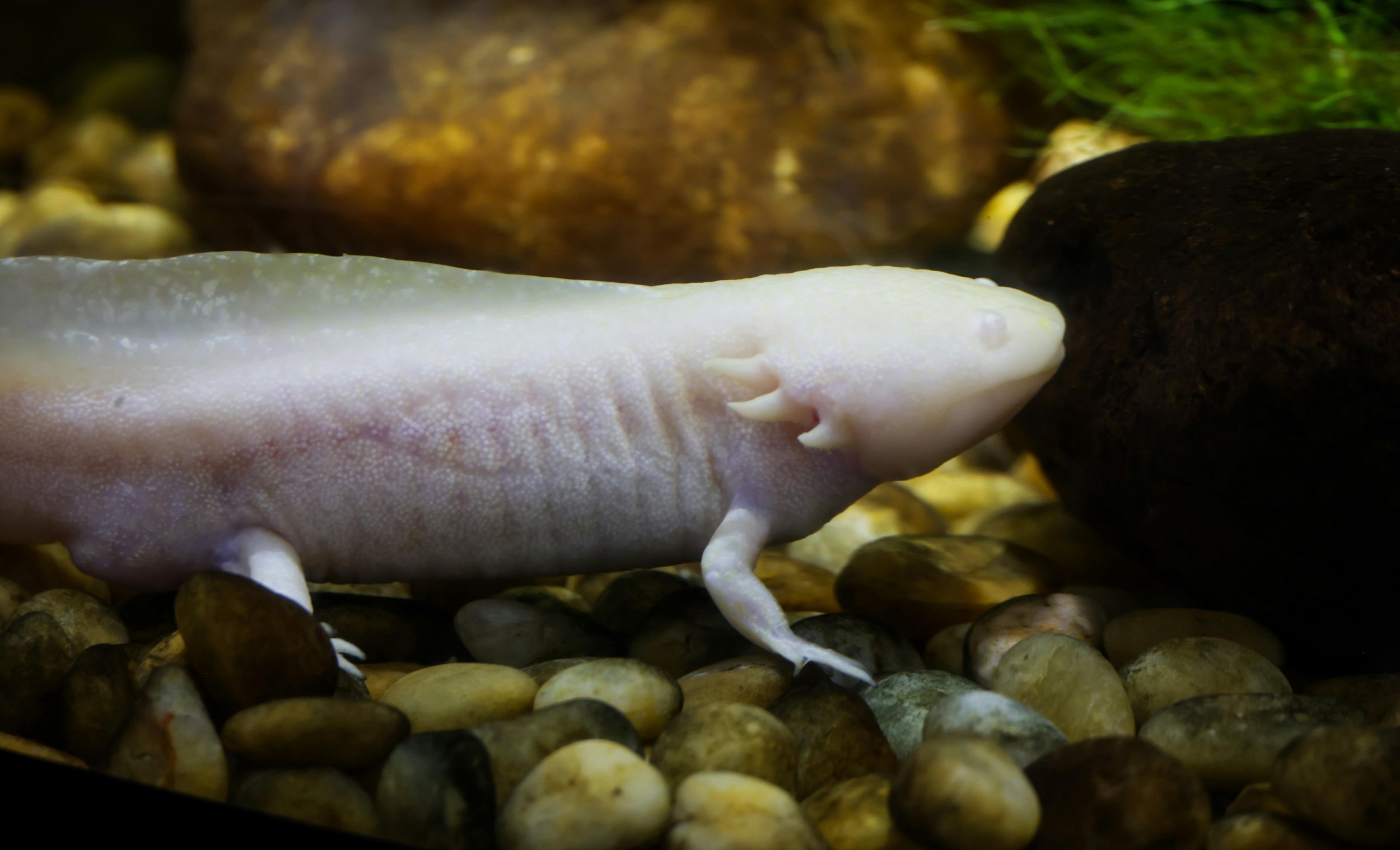
The axolotl is a species of mole salamander, but it defies almost every rule of amphibian biology. While its cousin, the tiger salamander, crawls onto land, the axolotl uses its short, lizard-like limbs to carry itself across the bottom of lakes. They then burrow down by using their webbed feet like paddles, and if they ever feel threatened, they move at an incredible 15 kilometres per hour.
Yet, there has been significant interest in their youthful features; axolotls are neotenic and do not undergo metamorphosis. Instead, this neoteny, or paedomorphism, means the axolotl develops the necessary features for its adult life. Axolotls retain their juvenile features and aquatic habitat throughout their entire life cycle.
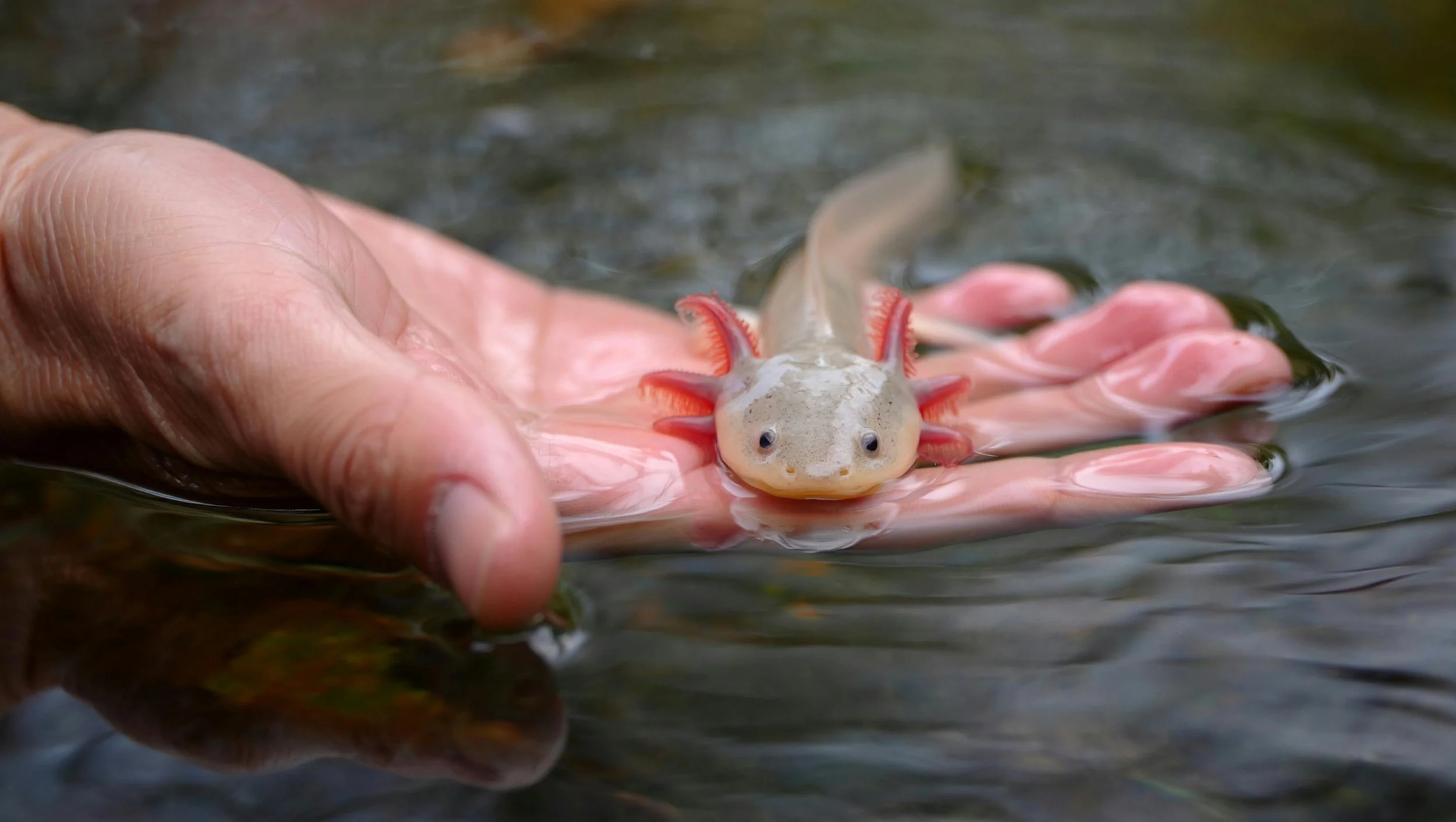
Interestingly, they develop functional lungs and can breathe through their skin, but use external, feathery gills for underwater respiration. They also retain their tails and dorsal fin, and do not develop movable eyelids. They even grow to a considerable size; they can measure 6 to 18 inches in length, weigh 2 to 8 ounces, and reach sexual maturity between six months to one year. They live for a long time, ranging from 10 to 15 years.
Another perk of axolotl's neoteny is that they can regenerate their limbs, their tail, heart, parts of their jaw and brain, and even their spinal cord without scarring. This makes it one of the most studied animals in medical science, offering potential clues for human medicine. Plus, who can deny their cuteness with their broad, flat bodies, large heads, and webbed feet, built for the water.
They are often lurking at the bottom of lakes and primarily target benthic organisms by inhaling gravel along with their prey, which helps break down food in their stomachs for digestion.
You may never have seen them, given that they are always lurking below. Yet, they come in many colors, depending on the individual. Most often, they are dark-colored, ranging from black, brown, or gray, and can shift their hue a few shades lighter or darker as needed for camouflage. However, pink and light-colored axolotls are often bred by humans as pets.
Axolotl's Legacy in Mexican Culture
The name "axolotl" (pronounced ACK-suh-lah-tuhl) comes from the ancient Aztec language, Nahuatl. Most often translated as "water dog", "water monster," “water slave,” “water twin,” etc. Its roots are tied to the Aztec god Xolotl. Mythology explains that Xolotl, the god of fire and lightning, transformed into a dog (water dog). And so the axolotl escaped being sacrificed by hiding in the water to avoid his fate. Also, the word “Axolotl” originated from the ancient Aztec language, Nauatal (or Náhuatl), which experts explain means someone who makes an agreeable sound, someone who speaks.
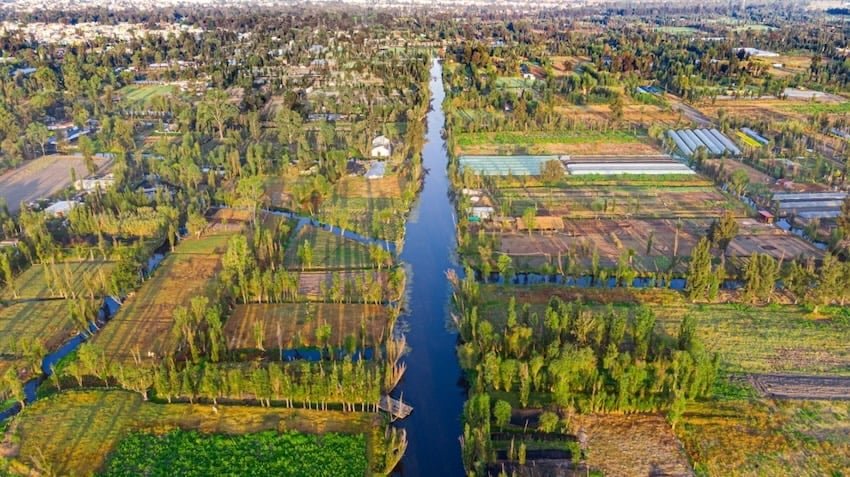
In 1325 C.E., the Aztecs in the Valley of Mexico built their capital, Tenochtitlan, on the very lake system the axolotl called home. The region consisted of five interconnecting lakes, the biggest of which was Lake Texcoco. Their empire emerged as the city of Tenochtitlan, on two islands near the western edge of Lake Texcoco, and the Aztecs extended the region by braiding reeds and stakes to form small, stationary, floating islands (chinampas, or “floating gardens”) used primarily for agriculture. Tenochtitlan became a sprawling area of approximately 14 square kilometres.
Although the Aztecs were known to consume axolotls as part of their diet, the abundance of suitable habitat and low-impact agriculture meant that the species thrived at the time. So, they were clearly a vital part of the early Mexican ecosystem and culture, thriving in the intricate network of canals and the sustainable agricultural "floating gardens".
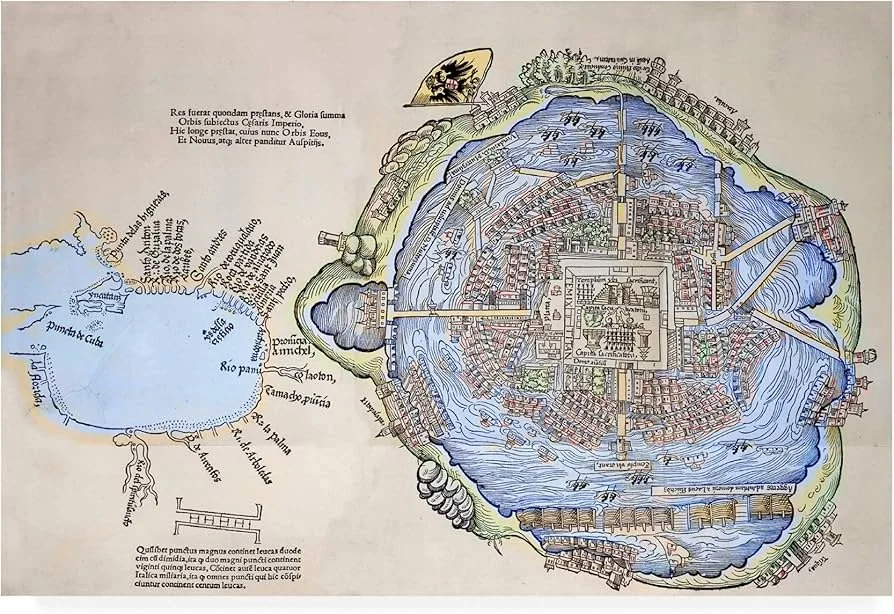
Aztec Capital Tenochtitlan
Axolotls in the 20th Century
Nowadays, Mexico's landscape has changed, affecting this salamander's way of life. They have been rapidly disappearing despite being carnivorous, nocturnal predators that inhale worms, mollusks, crustaceans, tadpoles, insects & their larvae, and small fish.
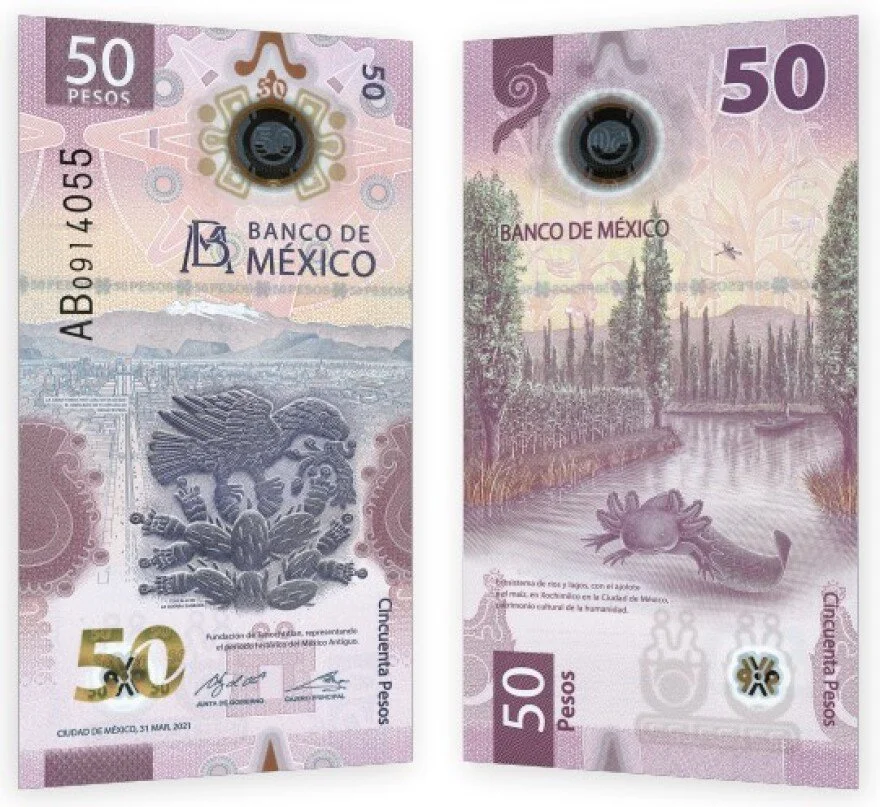
Extensive drainage projects in Lakes Xochimilco and Chalco, two spring-fed lakes located on the southern edge of the Basin of Mexico, resulted in a significant loss of suitable habitat for the axolotl. This used to be their primary habitat, along with the connecting lakes Texcoco and Zumpango. Nowadays, you will find axolotls in three main sites: the canals of Lakes Xochimilco, Chalco, and Chapultepec, which span 467 square kilometres.
And despite the Axolotl being an iconic symbol of Mexican culture, little is known about the ecology of wild axolotl populations, largely because such populations are generally small and inaccessible.
The only existing information on the species has primarily been gathered from specimens kept in captivity and under laboratory conditions. But we do know that these amphibians require abundant aquatic vegetation for laying eggs, and are sensitive to shifts in water quality.
During the day, individuals typically burrow into the sediment, in mud or among benthic flora, to evade predators, such as storks, herons, and large fish like tilapia and carp.
What Drove the Axolotl to the Brink
Axolotl's catastrophic decline is a textbook case of human-driven habitat destruction. Climate change has exacerbated the axolotl’s plight several times, with years of low rainfall, droughts, and increasing temperatures.
Heavy flooding caused by heavy rainstorms fuelled drainage projects, as Mexico City was built upon the ruins of Tenochtitlan, with most of the new city resting in the basin of Lake Texcoco. This further destroyed axolotl's homes, which had been a vast, interconnected lake system that was drained to prevent flooding and make way for urban sprawl.
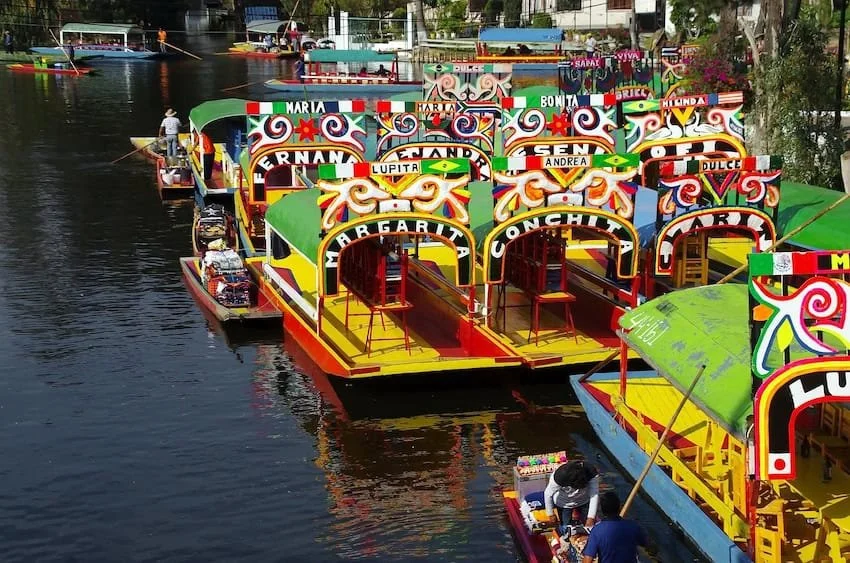
Today, only vestiges of Lakes Xochimilco, Chalco, and Zumpango remain. Meanwhile, the water in the Xochimilco canals is now heavily polluted with a cocktail of agricultural runoff from a waste treatment plant (pesticides and fertilizers).
This untreated sewage from antiquated systems that overflow during rains, and toxic chemicals from the city.
It is also heavily polluted by infrastructural development, agricultural run-off, tourism, and inadequate waste management practices.
That’s disastrous when the amphibian has highly permeable skin, making the polluted water a poisonous, lethal environment that causes disease and poisoning.
Mexico Conservation Efforts vs. Poverty Relief
In the 1970s and 1980s, the Mexican government, in collaboration with the Food and Agriculture Organisation of the United Nations, released thousands of common carp (Cyprinus carpio) and tilapia (Oreochromis niloticus) into Xochimilco as part of a national poverty relief project. Since these two species are easier to breed, it was believed that the initiative would feed more people and increase protein in local diets.
Unfortunately, the carp and tilapia quickly assumed the role of top predators, consuming axolotl eggs and juveniles, as well as the main prey sources of adult axolotls. Today, these fish have multiplied to extremely high abundances, with tilapias comprising 95% of the canals’ animal mass. In a recent study, researchers collected approximately 600 kilograms of tilapia in a small channel using a 100-metre net.
These invasive fish also compete with adult axolotls for food while destroying the aquatic vegetation that axolotls use for breeding. This has disrupted the axolotl's delicate ecosystem and affected the population control of numerous small, benthic species.
Axolotls have also been described as an indicator species, due to their sensitivity to changes in water quality, temperature, and pollution levels. Declines in their population size and general health of wild axolotls have helped scientists determine the degree of environmental degradation affecting lakes and wetlands across the Mexican Central Valley.
The Conservation Paradox: Critically Endangered Yet Captive Abundant
Interestingly enough, while there are potentially hundreds of thousands in captivity, in research labs, zoos, and home aquariums across the globe, the species is critically endangered in the wild. At present, the axolotl is protected under category P (“Peligro de Extincion”, or Risk of Extinction) by the Government of Mexico, and the species is listed under Appendix II of the Convention on International Trade in Endangered Species (CITES).
In 1987, the Xochimilco wetlands were nominated as a UNESCO World Heritage Site, and in 1992, the whole lake system was designated a protected area. Despite these measures, they have done little to halt the drastic decline in the axolotl population. Officials have yet to design and implement effective, long-term, holistic conservation strategies that target the species’ two greatest threats: habitat degradation and invasive species.
Although axolotl populations are relatively difficult to assess in the wild, surveys and studies conducted since 1998 have indicated significant declines across the species’ native habitat.
In 2002 and 2004, over 1,800 nets were cast along Xochimilco canals covering 39,173 m², yet only 42 specimens were caught.
Population censuses tell a grim story of axolotls:
1998: ~6,000 individuals per square kilometer
2004: ~1,000 individuals per square kilometer
2008: ~100 individuals per square kilometer
2017: ~36 individuals per square kilometer
Ecological niche modelling has also indicated that the axolotl’s potential distribution within Xochimilco is limited, reduced, scattered, and isolated in areas dominated by agriculture. Monthly sampling in the region has failed to record the species since 2017.
Axolotls Scientific Conservation in Action
Despite the dire situation, a coalition of scientists, conservationists, and local communities is fighting back with innovative and determined strategies. Lab-grown axolotls worldwide descended from just 34 axolotls brought to Europe in 1863. Generations of inbreeding have resulted in a dangerously low level of genetic diversity, with an average inbreeding coefficient of 35% (for context, 12% is equivalent to breeding with a first cousin).
Scientists have expressed concern about the extent of inbreeding observed in laboratory specimens, should wild axolotls go extinct. The captive axolotl population is more susceptible to disease and genetic abnormalities, making them poor candidates for reintroduction.
Most axolotls in laboratories and aquariums around the world are not only highly inbred, but are also part tiger salamander.
Hybridized axolotls with tiger salamanders mean they are no longer pure Ambystoma mexicanum. Scientists cannot be certain that specimens being studied have not already diverged from their wild counterparts to the extent that they have lost pivotal elements of regeneration. This is incredibly worrisome, given that only 50 to 1,000 adult axolotls remain in the wild, clinging to existence at just three fragmented sites in southern Mexico City: the canals of Xochimilco, Chalco, and the artificial Chapultepec Lake. The International Union for Conservation of Nature (IUCN) estimates the species has suffered a population loss of at least 80% over the last three generations.
Refugio Chinampa: Restoring the Past to Save the Future
Led by Dr. Luis Zambrano of the National Autonomous University of Mexico (UNAM), a flagship project is reviving the ancient Aztec chinampa practice. They are building artificial "floating gardens" islands built with reeds, sticks, and earth.
The project works with local farmers (chinamperos) to:
Create protected, clean-water canals separated from the main polluted waterways
Eliminate pesticide use in favor of traditional, sustainable agriculture
Act as bio-filters, cleaning the water and providing a haven free from invasive fish
These chinampas would act as a micro-ecosystem, taking a year or more to condition before axolotls can be reintroduced. This is a realistic alternative since directly eradicating all tilapia and carp is likely impossible. One strategic path forward would be targeted management by hiring local fishermen to regularly sweep key axolotl habitats, reducing predator pressure during the vulnerable egg and juvenile stages, giving the salamanders a fighting chance to re-establish.
Releasing captive-bred axolotls is also a delicate prospect since premature releases could simply provide a feast for the invasive fish. However, careful studies have shown promise, given that research has confirmed that lab-bred axolotls can survive in both restored natural canals and well-designed artificial wetlands. The key is ensuring that any reintroduction is preceded by effective habitat restoration and predator control.
How You Can Help: Be Part of the Solution
The axolotl's fate isn't just in the hands of Mexican scientists; it's a global responsibility. We must protect the axolotls because they are a symbol of resilience, a key to scientific discovery, and a stark reminder of the fragility of our ecosystems. The fight is far from over, but with continued effort and global support, we can ensure that the axolotl remains a living legend, not just a memory in a canal.
Consider doing the following to be part of the solution:
Virtual Adoption: UNAM regularly runs a highly successful "Adopt an Axolotl" campaign. Donors can pay for a meal, a habitat, or even "adopt" an axolotl, receiving a certificate and updates. The funds go directly to maintaining the chinampa refuges. Last year's campaign raised nearly $30,000, maintaining 40 refuges, but experts estimate they need 10 times that number for a healthy population.
Support Sustainable Ecotourism: If you visit Mexico City, choose tour operators that support the chinampa restoration projects and educate visitors about the axolotl's plight.
Spread Awareness: Share the real story of the axolotl. It's more than a meme or a video game character; it's an indicator of the health of our freshwater ecosystems and an irreplaceable part of our world's natural heritage.
Axolotls struggling for survival in the shadow of a megacity is a microcosm of the global freshwater crisis. By supporting the conservation efforts to save the axolotl, we are not just preserving a single species; we are fighting for the health of our planet's water, one smiling amphibian at a time.