The Lonely Path of a Sustainable Fashion Twitch Streamer
Twitch is still largely misunderstood outside of gaming. For many people, it exists as this new internet space where “guys play video games for eight hours straight,” and that misconception alone makes it a difficult platform to justify being on, especially if your work doesn’t fit the gamer archetype.
It also doesn’t help my case that sustainable fashion is already a niche topic on mainstream social media, and it becomes even more niche when placed on a platform that isn’t built with fashion or activism in mind.
It creates isolation given social media rewards chaos, noise and surface level entertainment. Sustainable fashion is the exact opposite since it is slow, thoughtful, and systemic, while Twitch, on the other hand, is fast paced, parasocial, and optimized for live, spontaneous moments. This tension is what makes the path lonely to start a journey on, but it is also what makes it interesting to continue on.

But there are specializations on Twitch beyond gaming: Just Chatting, IRL, and even political commentary. Yet fashion, especially sustainable fashion, has barely claimed space on Twitch. Streaming about garment workers, making clothes live, discussing fashion history, or consumer culture means constantly explaining what you’re doing and why it belongs on Twitch at all.
There’s also the sense of emptiness of being early. When you stream sustainable fashion on Twitch (and on YouTube), you don’t have a clear roadmap or peers to model yourself after. You’re not plugging into an existing ecosystem the way gamers or even political streamers do.
Because of that, everything is experimental. You’re building in real time, often in front of a small audience, sometimes in front of silence. There is less instant feedback, fewer dopamine hits, and long stretches where it’s unclear whether what you’re doing is “working” by traditional metrics.
Growth is slow while online chats stay limited when algorithms hesitate because they can’t easily categorize you: you’re not a gamer, not a haul creator, not a typical political commentator.
You sit between categories, and platforms don’t reward in-between spaces very well.
This makes multi-streaming less of a growth hack and more of survival, since streaming simultaneously to Twitch, TikTok Live, or YouTube Live allows sustainable fashion to exist across platforms with different cultures and expectations. Twitch becomes the space for sub-based donations that reward depth, long-form conversations, and community building, while other platforms act as entry points, places where people stumble in, get curious, and then follow the thread back to Twitch.
Sustainable fashion streaming is also especially revealing of a new era when most fashion and sustainability content is highly curated and edited…… after conclusions are reached. Twitch asks us to think out loud while LIVE and in the moment about systems, ethics, contradictions, and uncertainty. That vulnerability is powerful, but it’s also uncomfortable for audiences who expect confidence, polish, and certainty. Being publicly unfinished is still rare, especially for women in fashion who care about social issues. And when answers are not presented, but rather questions for inquiry and consideration, it can be uncomfortable.
There are also additional complications when you are a woman doing intellectual labor in a live space. Live streaming still disproportionately rewards men for long-form, exploratory thinking. And mind you, men’s favorite hobby is explaining concepts. Meanwhile, women are expected to be polished, entertaining, agreeable, or visually consumable. So, if you are asking to be listened to, not just looked at, then it reduces how many people are willing to stay and think.
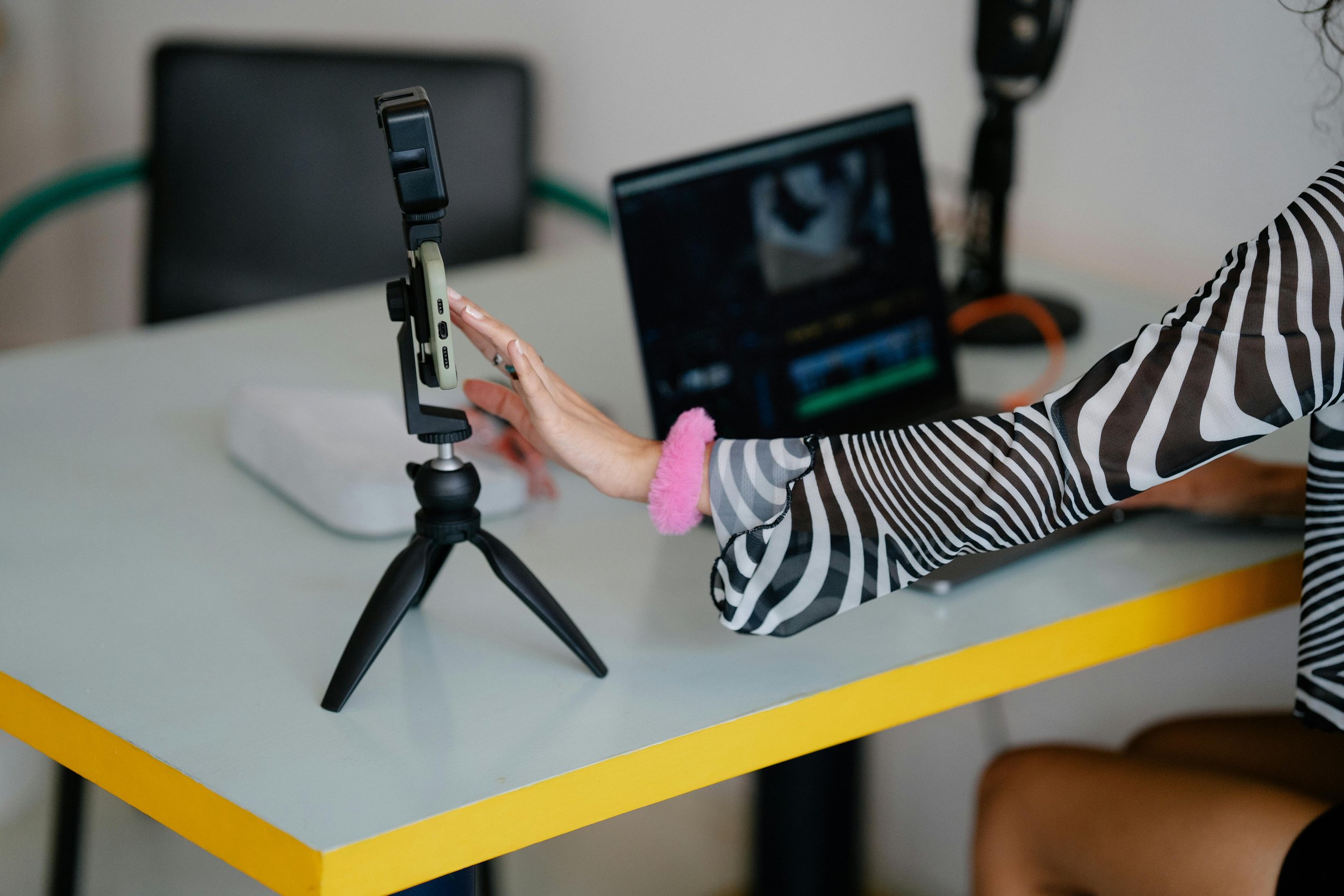
So, essentially, sustainable fashion on Twitch disrupts two systems at once: the fashion industry’s reliance on spectacle and consumption, and the streaming world’s reliance on speed, hype, and constant stimulation. It asks uncomfortable questions in a live setting: What does sustainable fashion look like when it’s live? When it’s imperfect? When it’s raw and uncut? And in that sense, the path mirrors sustainable fashion itself, one that was unpopular at first and misunderstood, but quietly laid the groundwork for something bigger.
It will take years to build traction since sustainable fashion doesn’t promise escapism. But sustainable fashion offers something harder: reflection, responsibility, sometimes grief with our current fashion industry.
Lasting Thoughts on Sustainable Fashion Livestreaming
Streaming sustainable fashion means asking people to sit with eco-anxiety, labor exploitation, and overconsumption without turning it into spectacle. This emotional weight narrows the audience, but deepens the community that does stay. It makes space for a world willing to deconstruct systemic oppression and social issues, versus dogging on individuals and being pessimists.
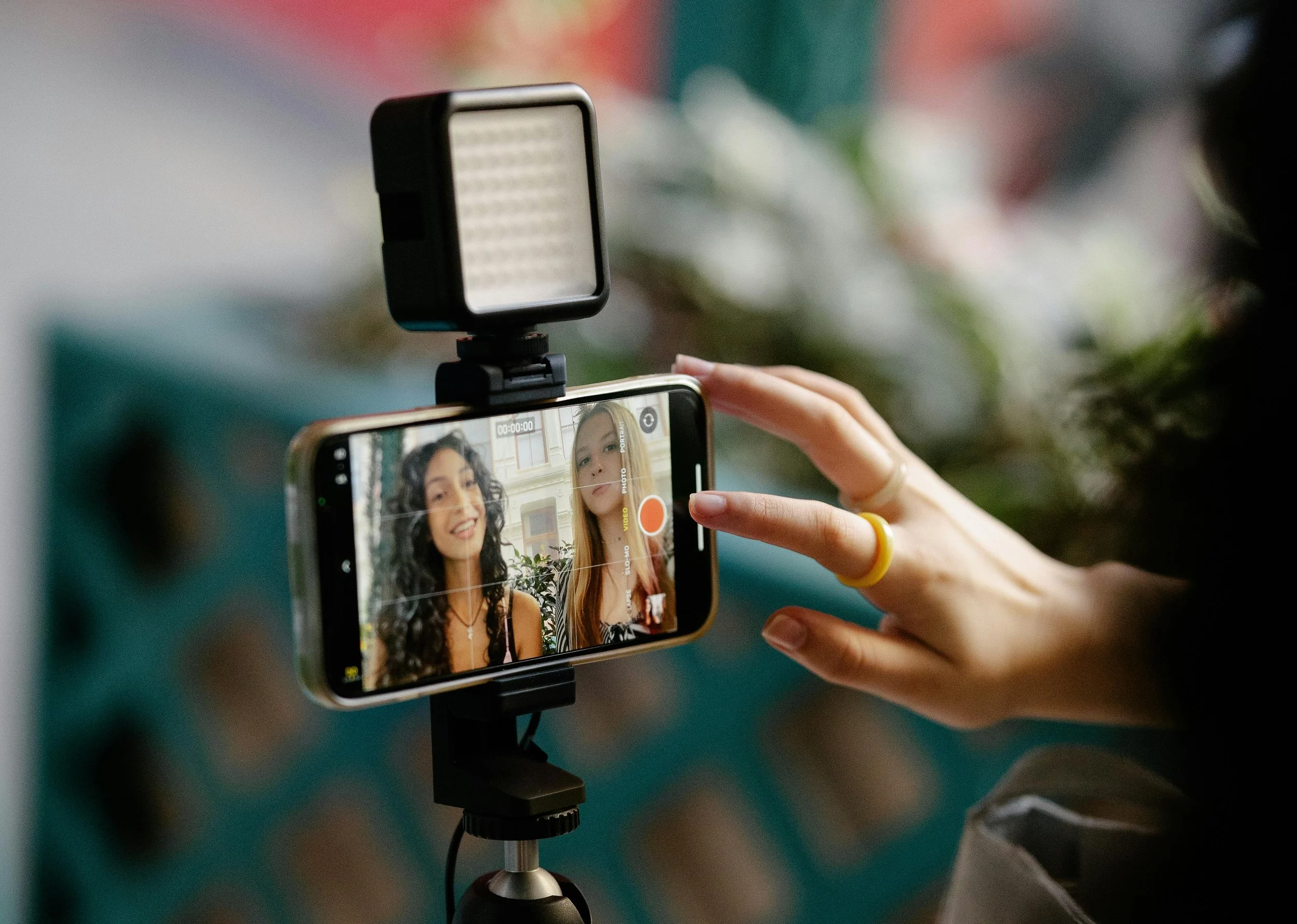
So, being early will be my opportunity to refine my critical thinking in a world that needs building and is not yet normalized.
Community will make all the difference in hosting convos on consumer culture, fast fashion, economics, capitalism, and labor rights.
So, if you're a streamer interested in fashion/ sustainable fashion, be warned of the need to be patient and self-aware.
The time it takes to grow a tree is not overnight, but dedication will win over platforms that value algorithms versus values and critical thought. (The seeds we bloom are the trees we cannot see grow.)
And success cannot be measured by views, subs, or follower counts, but by the people mending their clothing for the first time, thinking twice before buying, and the number of clothing swaps hosted.
These outcomes don’t show up on dashboards when the external platform metrics can’t and won’t match internal, value-based metrics.
You can't measure impact where platforms measure attention.
So, if by any chance you want to be a sustainable fashion streamer, start the journey now. Create a community that cares about others and about the planet, where your values don’t remain hidden and where your voice remains silent.
Have real, honest conversations over polished ones while caring for community over mass appeal. Please trust the journey of showing up consistently, even when it’s quiet, because it is not wasted effort to organize the building blocks for the fashion future we crave.