Depop's Campus Ambassador Program: A Deep Dive

Fast fashion has gotten worse as brands continue to make cheap clothing as fast as possible. There is enough clothing for the next six generations if we stopped producing right now!
Yet, there is no end in sight to the production and consumption of this polyester mess. This can leave us feeling doomed and as if nothing can change, but things can indeed change. But the good thing is that there are solutions!
So, in today's blog post, I will be deep-diving into Depop’s Campus Ambassador Program to provide a breakdown of how this brand is delivering sustainable fashion solutions.
Depop's Journey in College Sustainable Fashion Outreach
Depop’s Campus Ambassador Program explains that it aims to empower a new generation of entrepreneurs, marketers, and creators. They invite students to take a leadership role by becoming a Depop Campus Manager during the school year.
The managers host pop-up events with campus student organizations, create content through the Depop Campus program, and try to make a positive fashion impact on campus. The great thing about this is that they get paid money to care about the planet and work with secondhand clothing.
Within 12 weeks, mirroring a trimester, managers are expected to host 8 campus events, hold weekly meetings, and distribute Depop merch on campus. They also have to run an Instagram page that connects their university efforts with their Depop role, and work with other campus leaders to raise awareness of circular fashion.
In terms of the eight events they have to host, also called activations, they can do a wide range of options. The Depop managers don’t have to work alone and can recruit student Depop ambassadors. Together, these Depop groups can host fun clothing swaps, educational seminars, and upcycling workshops. They are given a budget, as they have the freedom to decide what fits best for their efforts on their campus.
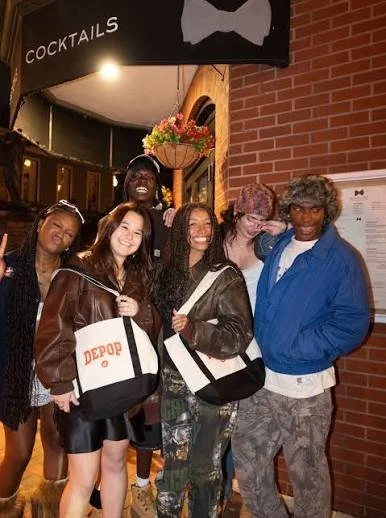
Depop Ambassadors in College Campuses
Ambassadors at Indiana University decided to host a make-your-own Valentine's candy tabling event, and even handed out Depop merch to students who decided to participate in their event.
These events have helped students learn about job skills, such as fashion marketing.
One student explained how “her experience with Instagram helped her stand out as a candidate”.
And from what I have seen, the program needs to be open-ended and flexible for ambassadors so it fits with busy schedules.
The ambassador role does open the opportunity for a summer Depop internship based on the most impactful or most impressive work outside of events.
Yet others have questioned the role of Depop Campus Managers and ambassadors since the students these roles are on haven’t been active sellers on the app.
On Reddit, there was an interesting post contesting the program, which explains:
“a girl i went to high school with made an instagram post last week announcing that she’s a depop campus ambassador…… i know being a campus ambassador means nothing and is just a way for depop to expand its customer base to more uni students, but seriously? it just bugs me that depop doesn’t really give a shit about who they have promoting their app. i know there’s a ton of college students that genuinely work hard on their shop consistently but get no recognition. rant over hehe “
This post does bring up an incredibly important point: what warrants Depop’s presence on college campuses in the first place? Especially since Depop's most recent major valuation is $1.2 billion ( the price eBay paid to acquire it in an all-cash deal).
Depop’s Presence in College Conference Rooms
The secondhand market is quickly growing, and there are more brands increasingly eager to tap into it. So we must question what we are allowing into our school system and who funds programs. There have been debates on the legitimacy of Depop, with some explaining that “ as someone who applied to this and sells a lot on Depop, the application process is actually tailored to Depop buyers rather than sellers”.
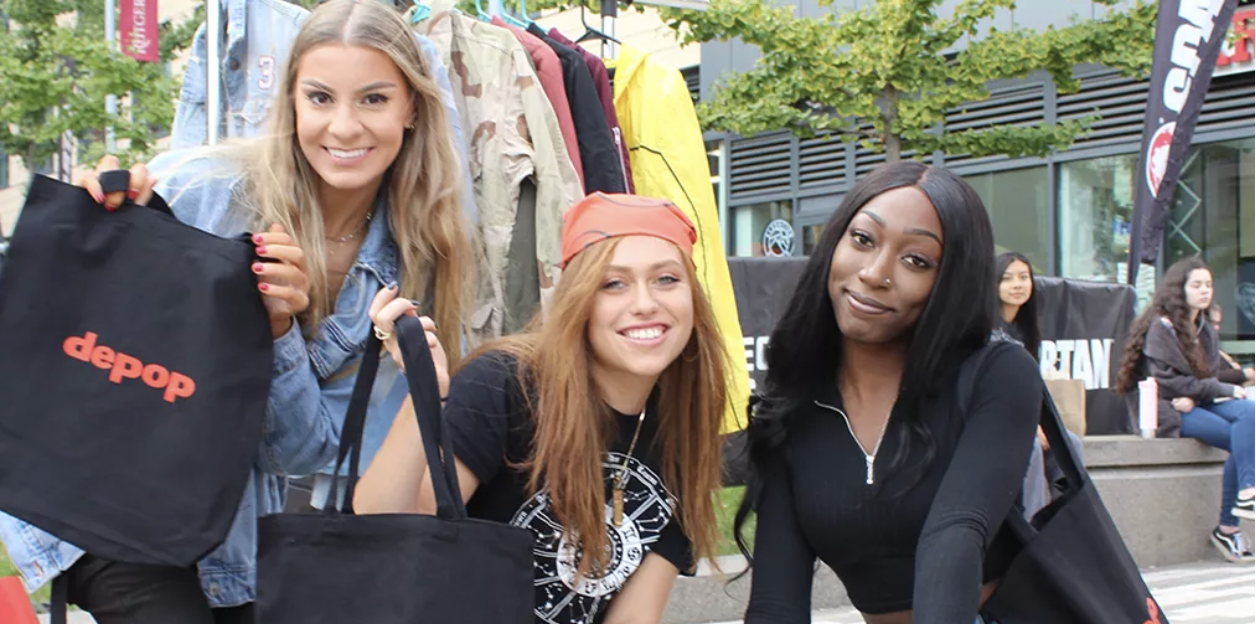
This raises a good point: why would someone apply to this program, and what would they gain from being either a Depop manager or a seller? Especially when buyers are favored to be in charge of campus initiatives over seasoned, successful sellers.
But it does make sense this happens since most students may not have had time to build a Depop presence already and want an easy and fun way to engage when they can.
Also, the marketing of the Depop openings is very telling of how and where they reach students.
The listings are published on social media and on LinkedIn around late summer, usually around July 2026. Depop once recruited by publishing a post with the hashtag #depoponcampus; they’d pick a few people to be ambassadors.
The exact number of Depop campuses is not clear, but colleges and universities working in partnership with them include the following:
Arizona State University Depop Managers and Ambassadors explained they operated under the Student Fashion Collective, which organized all the fashion events and educational efforts. They even collaborated with local vintage sellers and sustainable brands to make a weekly vintage market happen!
Students were able to buy unique, secondhand items that ranged in price and were way easier to access than off-site stores.
And part of this important work is also hosting clothing swaps, which is where attendees can bring their unwanted clothes and exchange them for other things in return. Clothing swaps are usually free and super fun to participate in! A third-year student, Austin Nguyen, at Arizona State University explained that as a Depop ambassador, they knew the issues involved in the industry. He explained that fast fashion is
“.... a huge waste on the planet, and it's killing our ecosystem.”
This is so true when fast fashion is being pumped out left and right so brands can maximize profits by making cheap, trendy items. However, when we look at Depop we must analyze how they are presenting solutions, especially when they are selling a sense of community through an ethos of sustainability.

Questioning Depop’s Impact on College Students
The lasting question we have to ask is what Depop’s long-term goals are for these efforts. We must also ponder why we don’t have a full breakdown on how many Depop campuses exist and the number of ambassadors in each. Decentralized leadership is effective and empowering in most cases, but general data tracking is essential to track the success of the program. If there is a lack of public information and internal auditing of what happens on each campus, it suggests Depop is just focused on marketing their brand on campus.
According to Youth Marketing Connection, results of the program have included 428k new user app installs, 400.8k unique interactions with students on campus, and 2M Instagram reach through Community Ambassador content.
However, Depop's Campus Ambassador Program has the potential to create opportunities for students, build campus communities, and encourage secondhand shopping. They can do this while we keep asking how these programs are measured, supported, and evaluated over time. Greater transparency about the number of campuses involved, ambassador participation, and program outcomes would provide a clearer picture of its true impact