Exploring Secondhand Fashion's Global Trading
Fast fashion is highly reliant on extensive secondhand fashion trade, with goods imported from the global North. Major fashion brands are incredibly well connected to firms and suppliers that take clothing from the Global North to the Global South.
This is incredibly important since UN data shows that in 2012 about $55.3 million worth of used clothing was exported to Mozambique. To put it in perspective, this is about 52 million tonnes of garments, or the equivalent of 99 million pairs of jeans or 423 million T-shirts. Yet it’s likely an underestimate of the total size of the market and does not even account for all the items sold across the world. The only clue we have to work with is sales tags that are left on items to know where the garments had previously been sold but never purchased, and so they ended up being exported.
Inside Look at Secondhand Fashion Trading
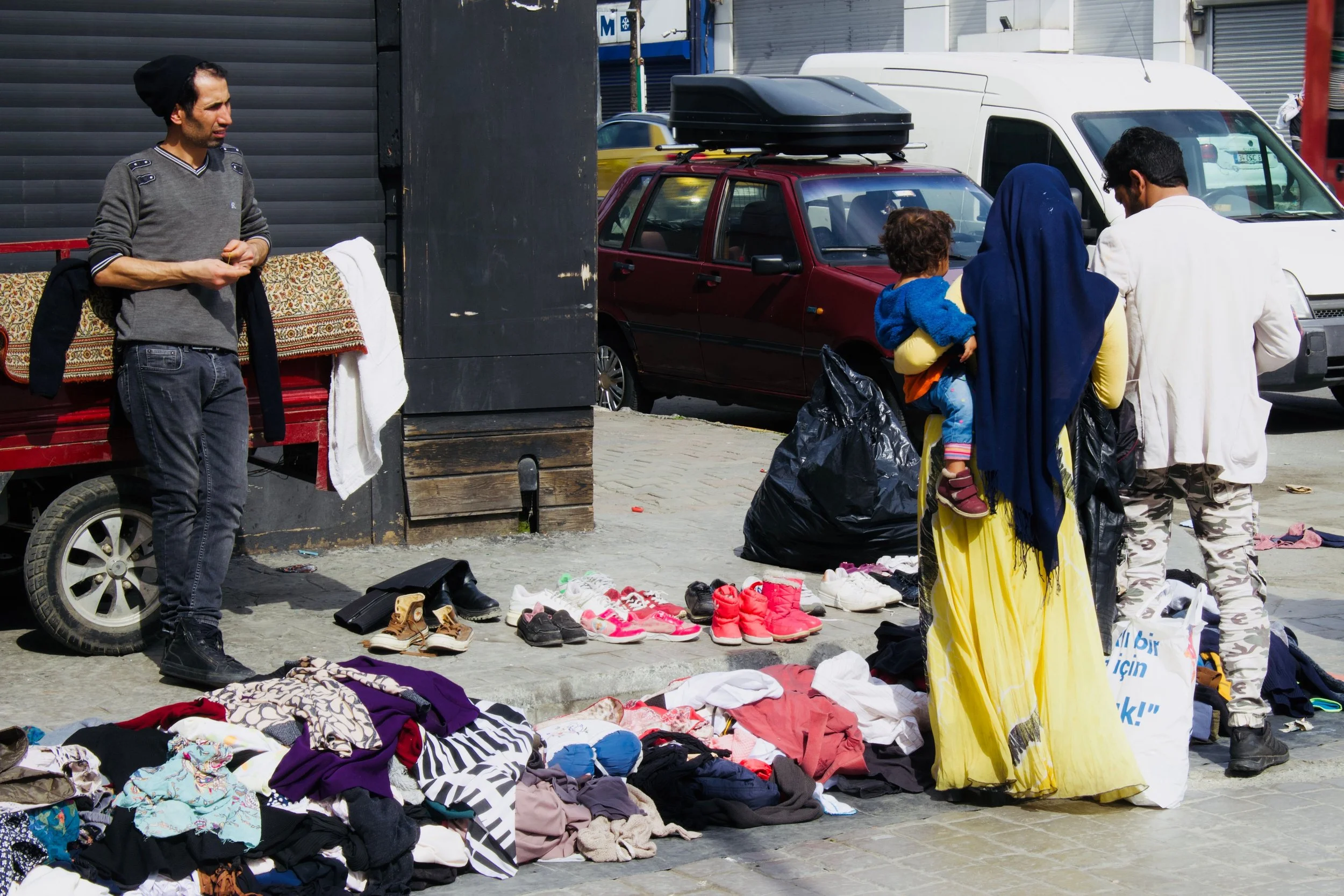
It doesn’t matter if it was a local shop or a major organization you donated to; clothing can end up anywhere after we donate it. Thrift stores really struggle to sell everything they receive and end up working with textile recycling companies to reduce backstock. Most of the secondhand clothing being imported and exported comes from the global North, with many firms specializing in this.
Some major firms include AHP Commercial, Armazém Nguesse Commercial, Fatah Trading, Sabah Enterprises, and UMUT World Connection. Secondhand trading firms usually operate outside the awareness of Global North consumers and have warehouses in different locations.
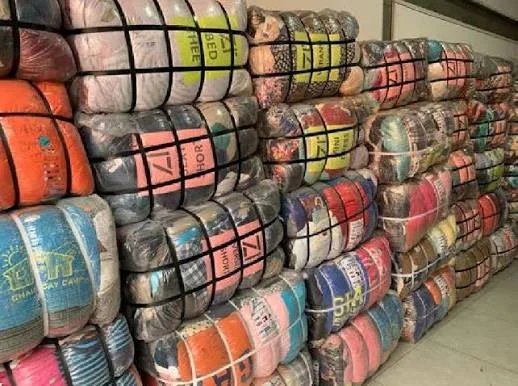
Yet other firms source from different locations; AHP Commercial sources clothing from Australia, while Sabah Enterprises and Armazém Nguesse Commercial source from Canada.
As mentioned, these bales are labeled by their content, such as ‘LTS–LS–MIX’ (ladies T-shirt, light/summer mix), as well as the origin.
Firms like UMIT have warehouses near Xipamanine market in Maputo where many importers are based.
They use 20-foot shipping containers that can hold 250–300 45-kg bales and import about 2 or 3 shipping containers per month. Secondhand bales come unsealed and unopened and are taken into storage in warehouses.
Surprisingly, firms often don’t even know what they are getting in the bales since they are sold sealed and unopened. Packing lists determine the bales, but the clothing imported within them cannot be fully predicted.
In’s and Outs of Secondhand Fashion Trading
What market traders do know is that the bales are sorted in categories like jeans, dresses, socks, etc. They just hope that the items are in good condition, that they are stylish and not ripped or rotten. Importers are often under contracts with American and European suppliers that establish payments in U.S dollars. Complications in contracts arise from price inflation and poor-quality bales, especially when stock quality is the primary factor determining profitability.
Soiled or wet articles included in bales can damage a whole package as mold, dirt, and soiling permeate through the fabrics in the tropical heat. Ghana took proactive measures to ensure hygiene by banning the import of second-hand underwear.
In Maputo, all the traders consider each bale bought to be a real game of chance, which is known as a totobola or lottery.
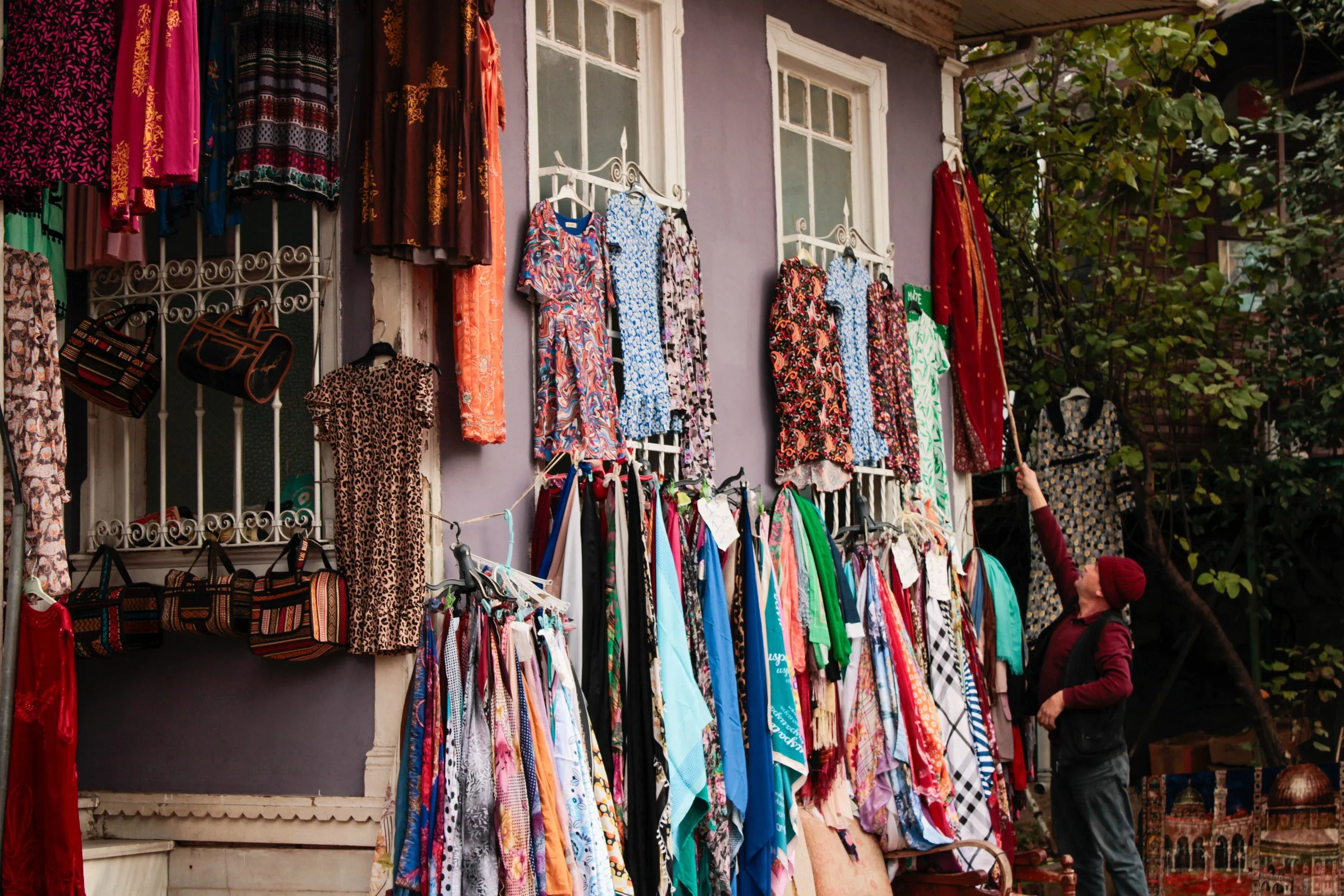
Traders then work with vendors based in markets across the world who take the time to set up a place to sell the Global North’s secondhand clothing. Maria, a vendor in Xipamanine market, actually spends half a day going to her nearest bale warehouse. She then brings the bale back to Xipamanine to her stall located towards the rear of the market. She even lets her customers know she has a new bale since the first rummage brings in a lot of excitement to find a great item!
Yet, every bale is different, so she has explained that the “first day was ‘not a good day because I opened a bale of curtains without there being one piece sold’; this failure meant she had to return and try a different importer the next day. This time she was luckier: ‘I opened a bale of cloth. I sold 1,200 metricals’ worth ($37.50). It was a good day”.
Secondhand Trading Profitability
A dream bale would be a profitable one where they can hopefully double or triple how they paid for the bale. If a bale only has low-quality clothing, then it is really difficult to recover costs, and they aren’t even offered a refund. However, traders have approached these challenges by upcycling items, bribing warehouse workers for good bales, and finding ideal buyers.
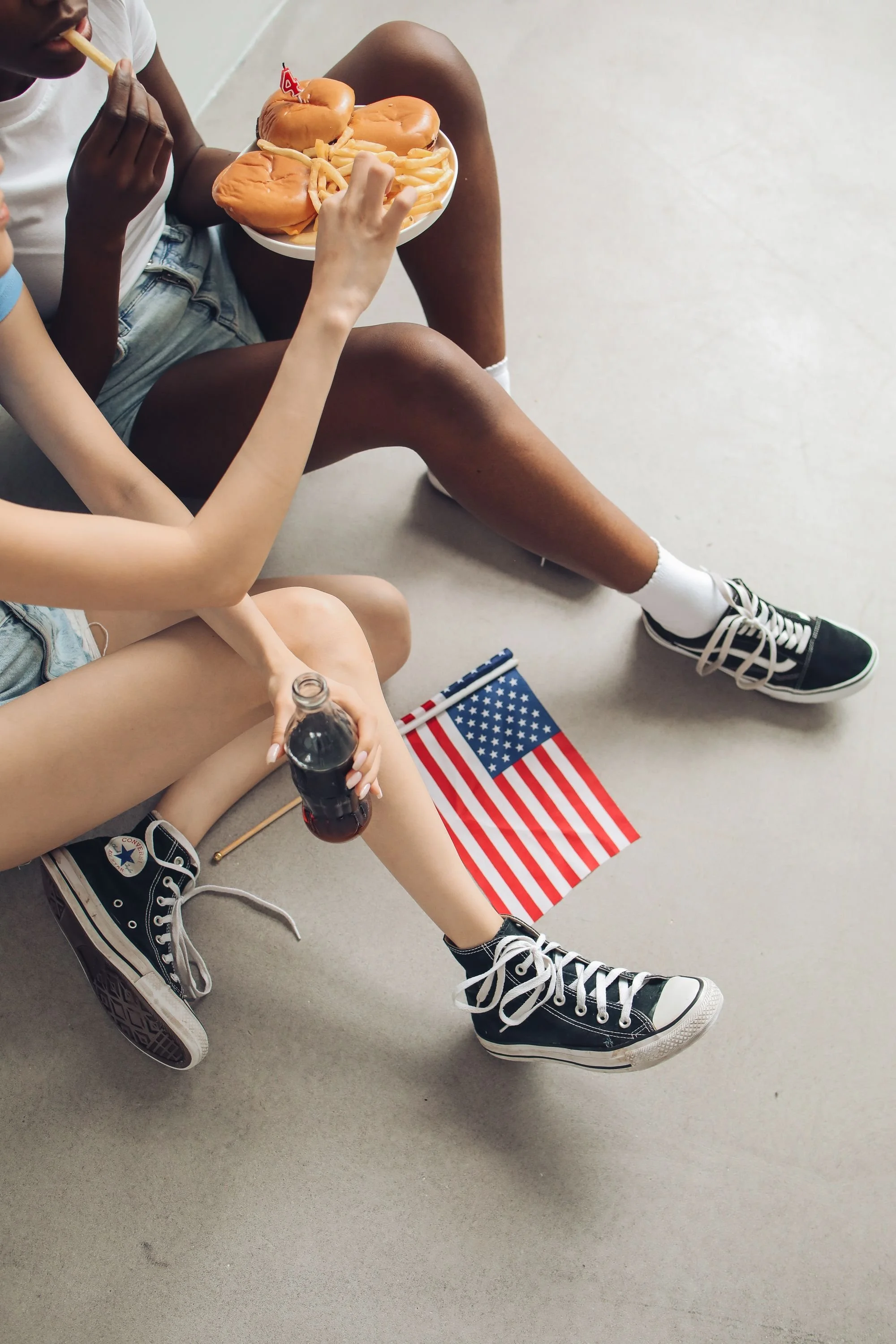
Especially when the diets and lifestyles of Americans differ from those in the Global South, which can lead traders to open bales of clothing in sizes too big for their community.
And if the if there are many big jeans in the bale, it takes up too much space and weight for anything else.
For example, big jeans in a single bale are sold at set weights of 45 kg, so traders end up with less stock.
This large clothing is also known as “super-size” clothes that they sell for very cheap because they are considered undesirable options.
But traders often do work with specialist vendors who specifically work with selling clothing at very low prices to those outside of the main market to reach people in extreme poverty.
The global secondhand clothing trade is far more complex than simply donating a shirt to charity. Once clothing leaves our closets, it can travel thousands of miles through a network of textile recyclers, exporters, importers, warehouse operators, and market vendors before reaching a new owner.
Along the way, every person involved takes on different risks and responsibilities, from importers gambling on sealed bales to vendors hoping their latest shipment contains clothing their customers actually want.
Understanding the global secondhand clothing trade reminds us that donating clothing is not the end of a garment's journey. It is actually the beginning of another journey for each clothing item. As consumers, recognizing these interconnected systems can help us make more informed choices by buying less, choosing higher-quality garments, extending the life of the clothing we already own, and supporting a fashion industry that values people and the planet over endless production.