A Breakdown of Grunge Fashion
Grunge culture emerged from music and is an easy entry into anti-consumerist philosophy. It embodies the ethos of "anti-fashion", an attitude of indifference, or making fashion a secondary priority.
One of grunge's key fashion leaders was Kurt Cobain’s wife, Courtney Love, who made waves with her own style. She was known for her regular rotation of slinky slip dresses, ripped fishnet tights, and Mary Jane shoes that gave off an aura of disheveled, broken glamour.
And onstage as the lead singer of Hole, her red lipstick was often smeared, her eyeliner smudged, and her tiara off-kilter. In this blog post, we will explore grunge fashion and why it matters amid fast fashion.
The Aesthetics of Grunge Fashion
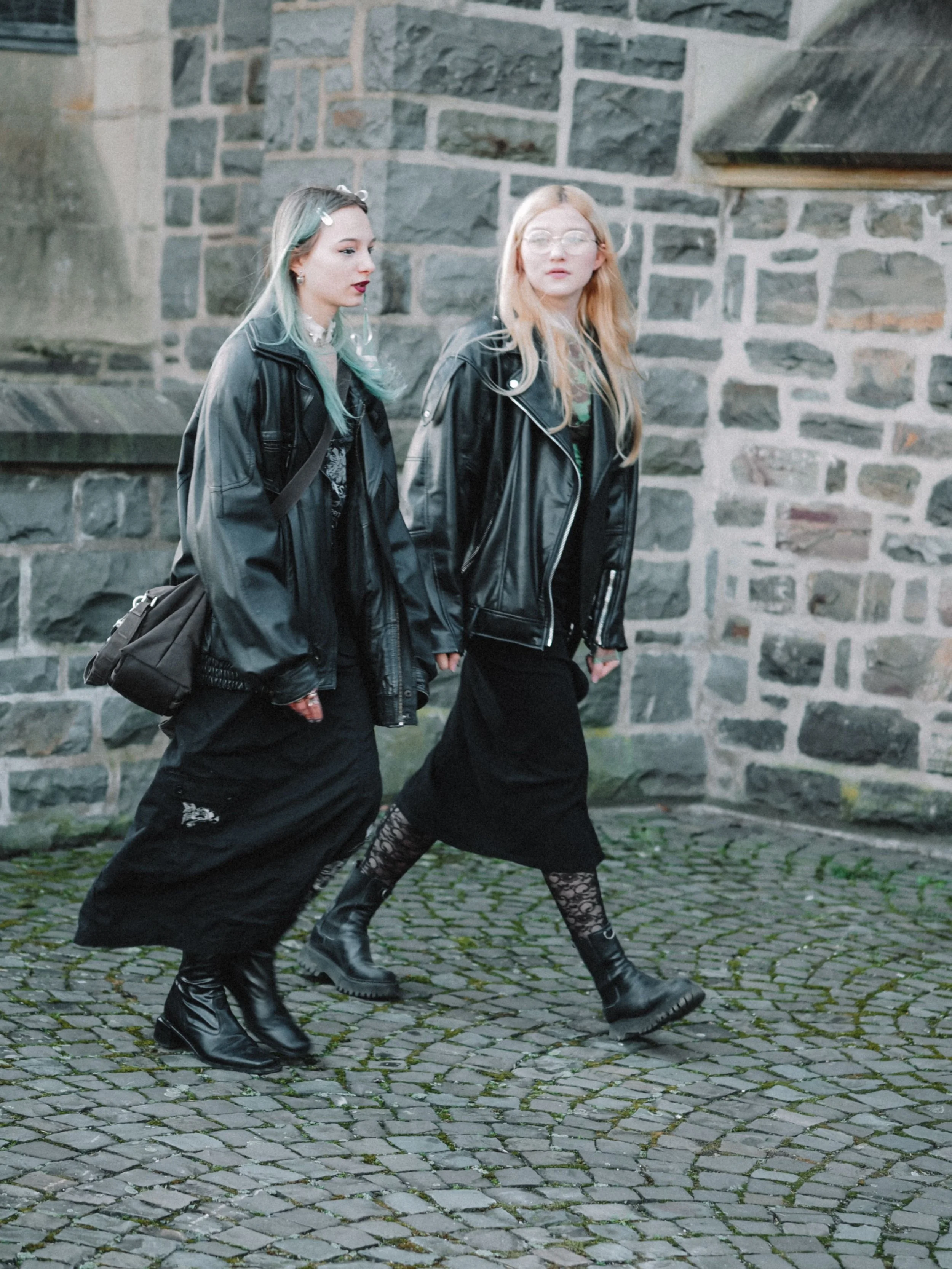
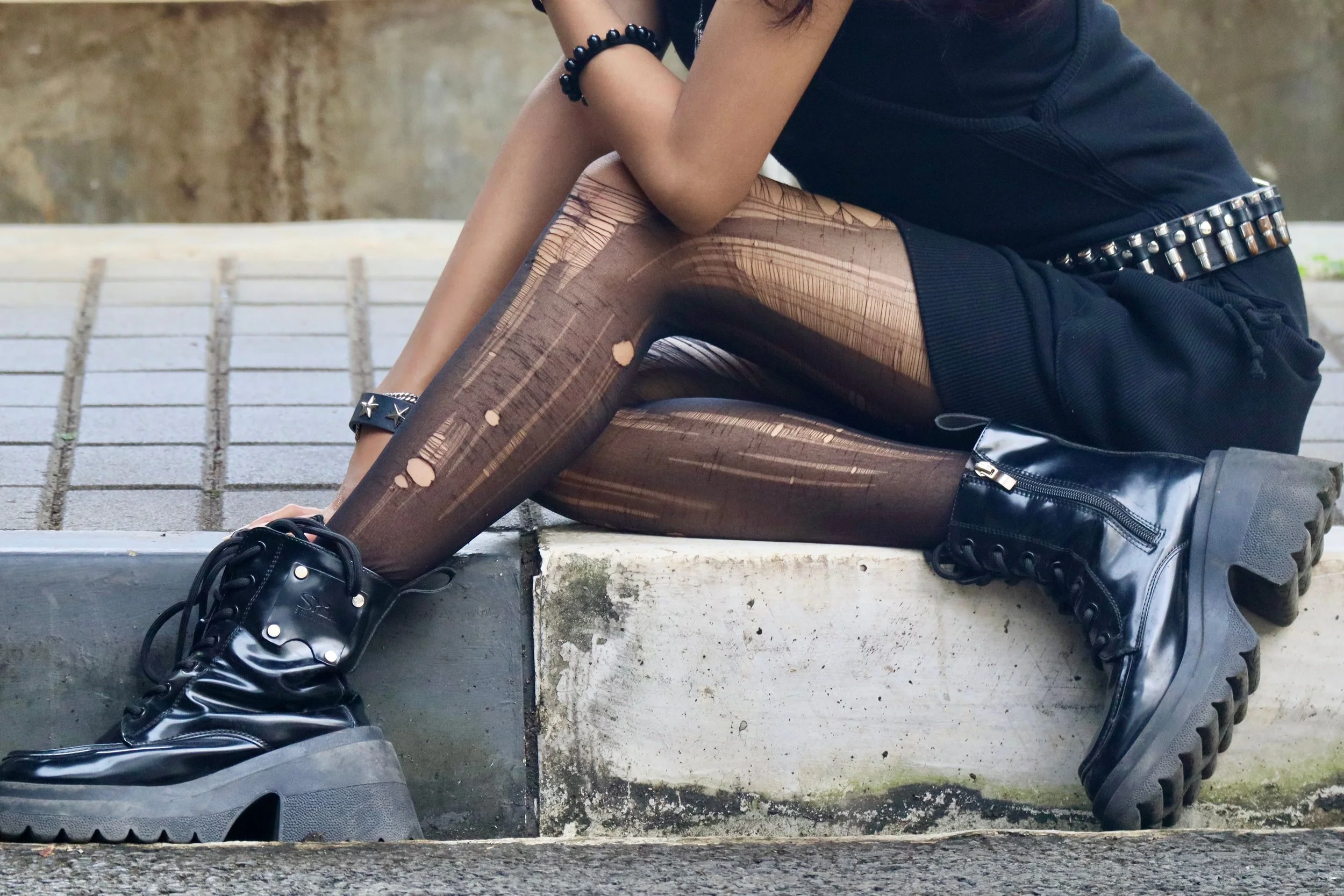
To dress grunge, you can mix tweed with girlish pieces like baby tees, baby barrettes, and baby doll dresses with Peter Pan collars, paired with flannel jackets and boots. You can also wear wide-leg jeans and bell bottoms over figure-hugging styles, and try tights with runs.
Fabrics are moody and tactile, like velvet, lace, crochet, chenille, and mohair, while prints can range from dizzying stripes to ditsy florals. Chokers, chunky rings, and small earrings are common jewelry; shoes include platform Mary Janes, clunky slides, and lug-soled boots. The beauty look usually features cropped or messy hair, pencil-thin eyebrows, a smudge of eyeliner, and dark lipstick.
And even though the grunge aesthetic drew inspiration from so many areas, like goth, punk, metal, and folk rock, and even eras ranging from the ‘40s to the ‘70s, there are no concrete rules on how to be grunge.
Early grunge adopters favored authenticity long before it was a buzzword, mixing and matching freely, with both vintage pieces and everyday clothes. But this ethos has morphed into more niche divisions like grunge glam, a style that blends grunge's rugged aesthetics with more elevated elements, like jewels and other more feminine looks.
Grunge Style in Our Fast Fashion Industry
Grunge as a music genre peaked around 1992 in Seattle, Washington, becoming an unexpected hub for young people to form bands and connect through punk ethics of self-production, independence, and anti-corporate ideology.
Interestingly, Seattle’s damp and gloomy climate heavily contributed to the relaxed silhouette, soft fabrics, and layers. And Jack Endino, a local record producer, once explained, “when the weather’s crappy you don’t feel like going outside, you go into a basement and make a lot of noise to take out your frustration”.
And some would say that this style isn't about the music; it was about creating a sense of community, a scene where everyone feels a sense of belonging, where you can start a band, be original, stay underground, and reject anything generic.
Yet others would disagree, since you can’t really talk about grunge without mentioning Nirvana’s Nevermind and the release of “Smells Like Teen Spirit,” the anti-anthem for a generation bored with societal norms. Grunge later morphed as ideals merged with groups like Riot Grrrl, making it more inclusive and rooted in feminist ideals; later, charity booths emerged at concerts, and bands started speaking out on social issues.
Fast fashion brands quickly replicated the aesthetic and sold generic plaid sweatshirts and ripped jeans. And others wondered about grunge items in luxury collections, even asking, “If the whole idea is to dress down, why picture models in $400 dresses? No one who can honestly relate to the music labeled grunge is going to pay.
Marc Jacobs once explained in an interview that:
“If you look at Hollywood now, if you look at Julia Roberts or Juliette Lewis or Winona Ryder, maybe they look like they don’t wash their hair and wear dresses from thrift shops, so all these purists think they should be wearing couture dresses and feather boas and diamonds from Harry Winston. They don’t understand that there's glamour there too.”
Yet, grunge music and style have fallen quite out of favor as bands either stopped existing or stopped performing. Specifically, Kurt Cobain’s suicide in 1994 was perceived by many as the end of the grunge era, since the media marked him as “spokesman of the generation.”
In the 2010s and 2020s, aesthetics like Soft Grunge and Pastel Grunge emerged online, reinterpreting the original's visual style, though often disconnected from its core anti-consumerist philosophy.
Key Grunge Styling Tips
1. Dress Authentically
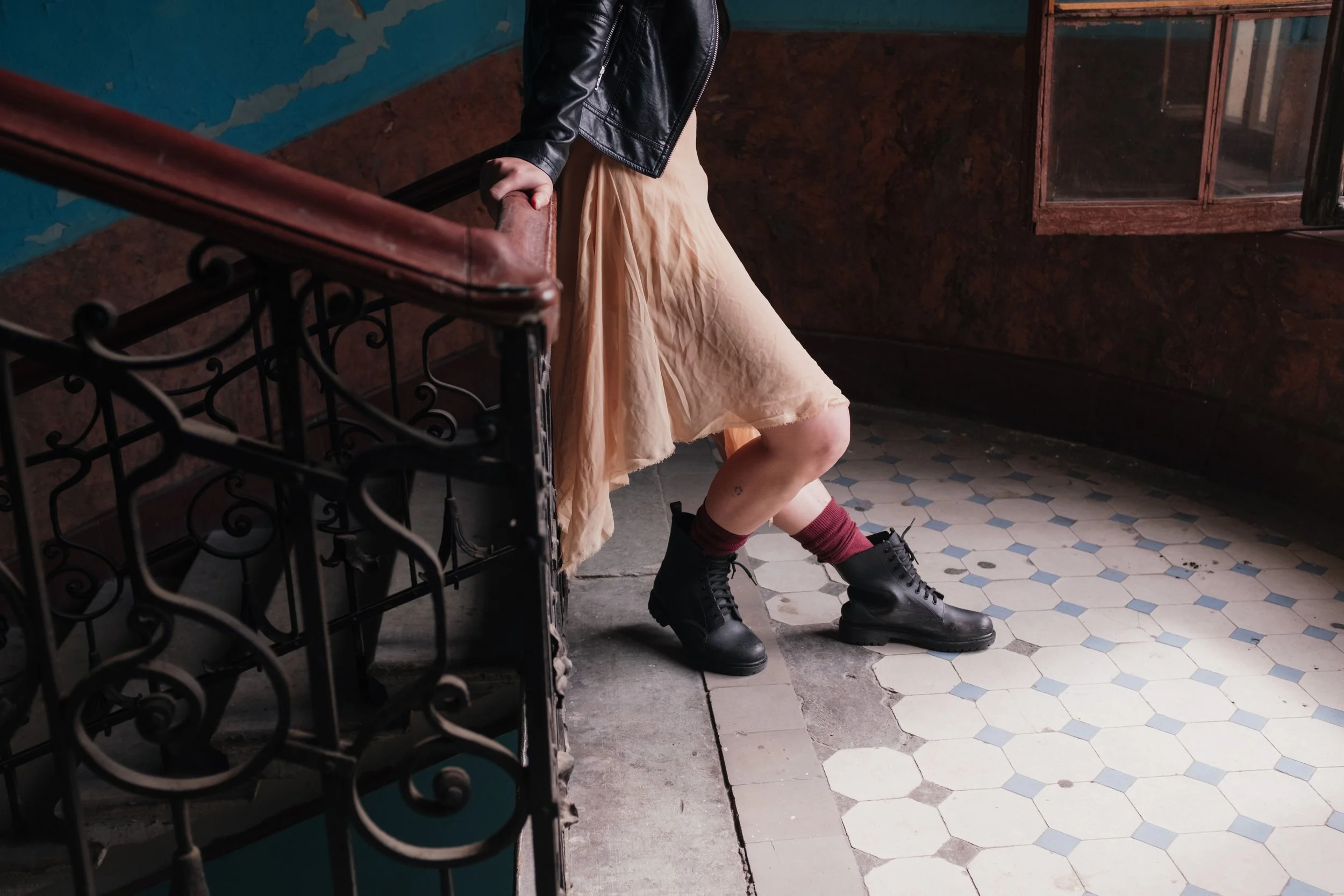
The best way to approach this is to dress however you want. If you want to add more pieces to your closet, try shopping at thrift stores and embracing a worn-in, unkempt, and androgynous look.
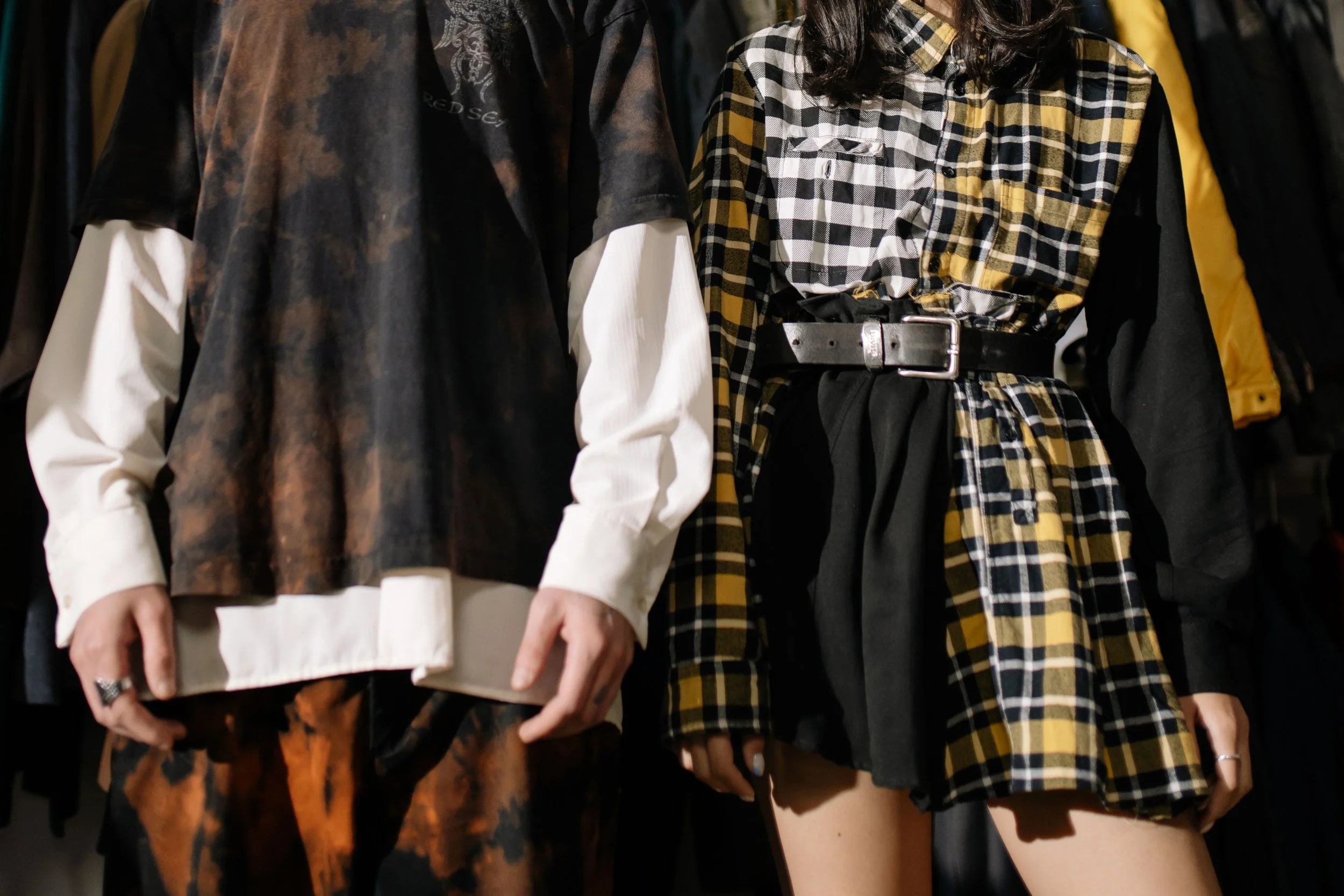
Note: In high school, I even started wearing grunge staples like second-hand flannel shirts worn oversized or tied around the waist, faded or ripped denim jeans, vintage band t-shirts, and oversized knit sweaters that looked moth-eaten. And I typically paired them with black Vans or the classic Converse sneakers.
2. Listen to Music
I discovered so many artists, bands, album covers, club kids, and people in music through grunge fashion. This immersion lets us learn about other people’s sense of style and start to think like them and embody it, both consciously and unconsciously.
3. Don’t Conform
Grunge fashion should not be a way to conform. Trying a style out doesn’t mean looking like each other to fit some mold. Try not copying other people's shoes, trends, and makeup looks! Take time to reflect and see what resonates with you.

Grunge Fashion and Sustainability
Y2K trends are loved by Gen-Z consumers, and more celebrities have started embracing grunge glam, especially since the recession hit us from the trenches of our current political scene. Normal people like us are scraping by, especially the younger generation heavily competing for work in an impossible job market. Limited access to finances can force us to get creative and wear what we already own.
Grunge fashion is also an easy entry point into the DIY movement. It can encourage you to make things with what you have around the house, repurpose fabrics, and fix what is broken. Instead of buying new, use what you already have to save money.

Personally, the DIY movement helped me learn to hand sew, use art tools, and become more immersed in mending. Pinterest has been a huge help in finding inspiration, while YouTube has taught me how to make my ideas happen! Yet, everyone's journey will look different. Consider challenging yourself to fix what's in your life versus just buying new!
As a teen, I became so obsessed with the positive environmental impact of grunge fashion that I called it “eco grunge.”
Eco grunge is a term that merges the anti-consumerist, distressed, layered look of 1990s grunge with modern sustainable practices like upcycling, clothing repair, and thrift-first shopping.
It was my way of reminding myself that loving this fashion style can be a good thing for the earth!!!! Yet, I think we always try to be better for ourselves and the planet! And that we don’t have to buy our way into our style or into this world as our true selves.