The Spooky SHEIN-ification of Halloween Costumes
The scariest part of Halloween isn’t the ghosts and ghouls, but the overconsumption, pollution, and waste it generates. Cheap, polyester fashion costumes dominate the industry, as Shein, Temu, and Spirit Halloween dominate the North American market.
Costumes reflect viral TikTok aesthetics, reality TV moments, or fast-moving internet memes more than ever. But the price is high, not just financially but across the board. From garment worker exploitation to harmful chemicals and environmental degradation in the fashion industry.
And I hate to say it, but modern Halloween costumes are lowkey ugly! And yet there are so many Shein hauls all over YouTube where normal people show the deals they think they got.
But this isn't about blaming individual consumers; it’s about addressing the negative effects of the fast fashion industry.
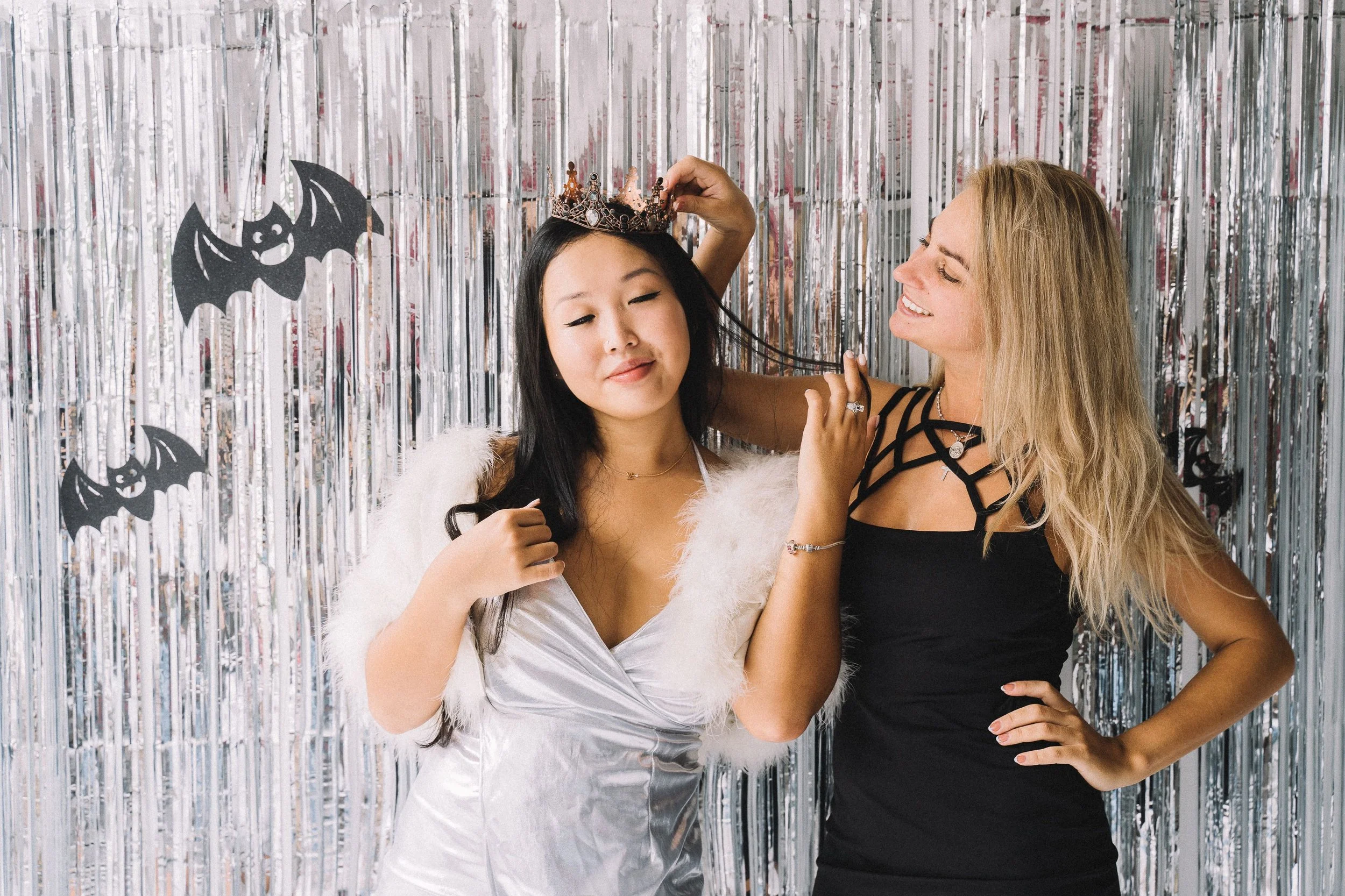
The Center for Environmental Health in California reported that ultra-fast fashion costumes contain toxic chemicals.
These include lead, cadmium, phthalates, formaldehyde, and BPA, all of which can cause damage to our internal systems and are linked to cancers and developmental disabilities in children, among other issues.
And these cheap costumes are often made by underpaid female garment workers in developing countries who don’t have the privilege of celebrating Halloween. And yet they are the ones most affected by the pollution it generates.
Especially when Americans throw away 35 million costumes every single year, which is 5.4 million kilograms of textile waste.
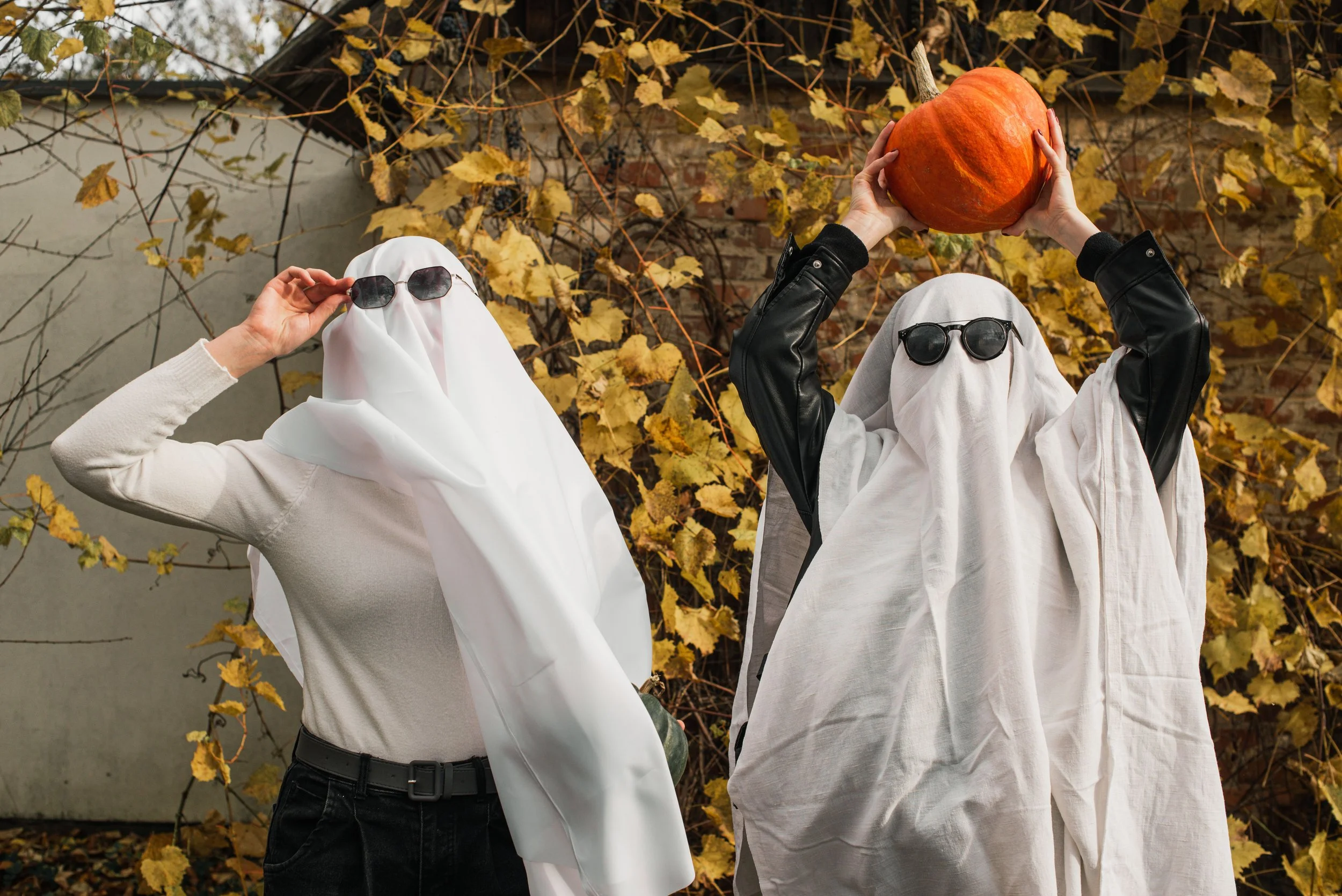
If you cant quite picture that, it is the equivalent of 83 million plastic water bottles. And most are made from polyester and plastic that takes anywhere from 20 to 200 years to decompose.
The fashion industry is definitely perpetuating the climate crisis as tons of textiles end up in landfills. However, waste management systems can't regulate the incredible amount of trash sent to landfills.
Even more striking, the National Retail Federation’s annual consumer survey expected Americans to spend a record $13.1 billion in 2025. For context, in 2024, Americans spent $11.6 billion, below the $12.2 billion record set in 2023.
This ever-growing demand for costumes is concerning. But I'm confused about how we can afford this when costume prices are at an all-time high.
Halloween is estimated to cost an average of $114 per person.
Shakaila Forbes-Bell, fashion psychologist and founder of Fashion is Psychology, has attributed this increase in consumption to escapism. She explained that “There's an anonymity that the season provides; literally being able to hide behind a costume and step into a different identity, especially if you’re someone who works in a more serious job or has a serious lifestyle.
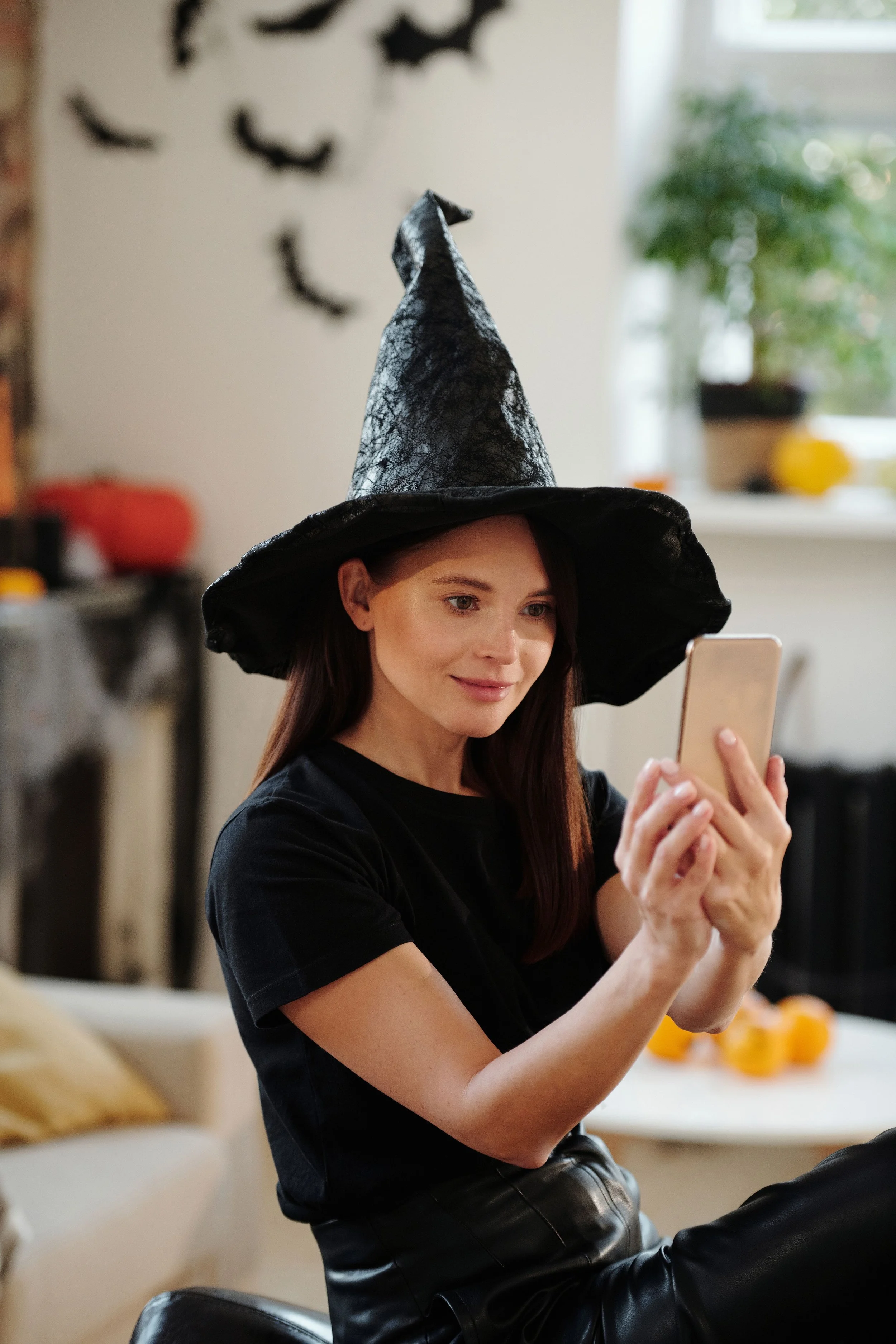
But isn’t it interesting that Halloween lets you be weird and be whatever you want?
But if you are American, can’t you do that every day? We can go on eBay or Depop whenever and buy whatever we want. I think the main difference is our ability to be different on a “normal” day, even when those don’t exist, given the devastating circumstances we are forced to endure.
But for one day, that one day, you can be something else, feel something else, outside of the daily mundane toil of the 9-5.
And how do we get there by shopping for it, fitting into the mold of what society is feeding us?
But we must question the fabrication of fiction curated for our consumption. Daniel Webb, founder of Everyday Plastics, an evidence-led social enterprise, explains that we need to look at the culture that’s embedded in that throwaway, superfluous, careless approach to consumption.
One way to do this is to rethink where and how we buy our Halloween costume! You can also try buying your costume used at a local secondhand thrift store, Depop, or eBay.
This is a much more sustainable alternative than buying from Shein and Spirit Halloween.
You can also look in your closet and use what you already own. This will require creativity, but one-use clothing like a Halloween costume isn't sustainable.
If you are feeling adventurous, you can also try making your own costume. Or you can scout estate sales for unique vintage items to pair with pieces you already own. You never know what your friends have in their closet, so ask them if they would want to do a fun closet hangout to help with your costume.
It's a great excuse to hang out and connect over fashion and style.
And if you have any unwanted Halloween goodies, consider donating them to your local thrift store versus throwing them away. I really want to be Frida Kahlo this year and want to thrift everything!