10 Sustainable Fashion Predictions for 2026
As we enter 2026, I am sure there will be a lot of improvements in the fashion industry. This is because the industry is always changing, and I am hopeful that sustainability efforts continue to emerge. And so in this video. I will explore some of my predictions that I have made after analyzing the industry for a whole year of obsessing over sustainable fashion news.
1. Every fashion brand will have a return fee
So, my first prediction is that fast fashion brands will introduce return fees. They will charge consumers every time they return an item to their store. There are already rumors that stores like Marshalls and Burlington will do this soon. Crazy right? But weirdly, it doesn't sound too odd when we are so used to paying return fees for online orders.
For example, Marshalls typically charges a $11.99 fee for returns by mail, deducted from your refund. But with this prediction, I expect online return fees to rise even further within the year.
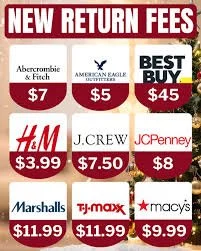
It could help us pause and think about our purchasing choices when return fees become so high. Yet most of us are struggling to pay bills as we live paycheck to paycheck, as brands continue to be greedy.
Rest assured, brands will do anything to make money to fill their grubby, greedy hands while clothing still end up in the landfill.
But I would love it if brands could use the return fee money to create plans to prevent their clothing from ending up in landfills and an expansive takeback program for used items that customers no longer want.
2. Brands will sell secondhand items ONLINE
My second prediction is that fast fashion brands will sell used items online. They feature early 2000s collections since Y2K is so popular right now. This was seen with Gap when they hired a stylist to issue a vintage collection of past styles they sourced from thrift stores and other places.

I do think brand-sourcing vintage pieces is important to understand how they think about sustainability and approach sustainable fashion. If they don't have a transparent internal process for resale and don’t have a takeback system, then we must stay wary.
I have a feeling that fast fashion brands have felt threatened by the growth of Depop, eBay, and secondhand shopping apps. I am sure more fast fashion brands will make curated apps for their secondhand offerings to encourage their customers to buy vintage directly from them. They have the advantage of guaranteeing the authenticity of pieces and better quality items. I am sure the onslaught of tech advances, such as AI, will be used for resale supply chain operations. I don’t agree with this, but I do see it happening.
3. Subscription models will evolve into repair and mend services
My third prediction is that fashion brands will start to offer repair and mending subscription services. I do believe that customers have s strong desire to reuse items in their closet. However, sewing and mending are not skills everyone knows how to do or has time to do.
I see fast fashion brands capitalizing on this by providing a tier-based subscription model where we pay a certain amount a month to be able to get their clothing repaired and mended. This prediction is more unlikely than the first two, but I am an idealist and know how capitalists think. Maybe it’ll take years for this to happen, but I am hopeful that fashion brands recognize this need.
I can see locals going to their favorite store every month to get clothing fixed. Clothing really isn’t made to last, so it would likely require frequent visits when clothing is so cheap and frail. So, I do believe brands will get creative with this, but in the same vein, I also hope we take the effort upon ourselves to repair and mend our clothing.
4. Sustainable fashion curriculum in schools & colleges
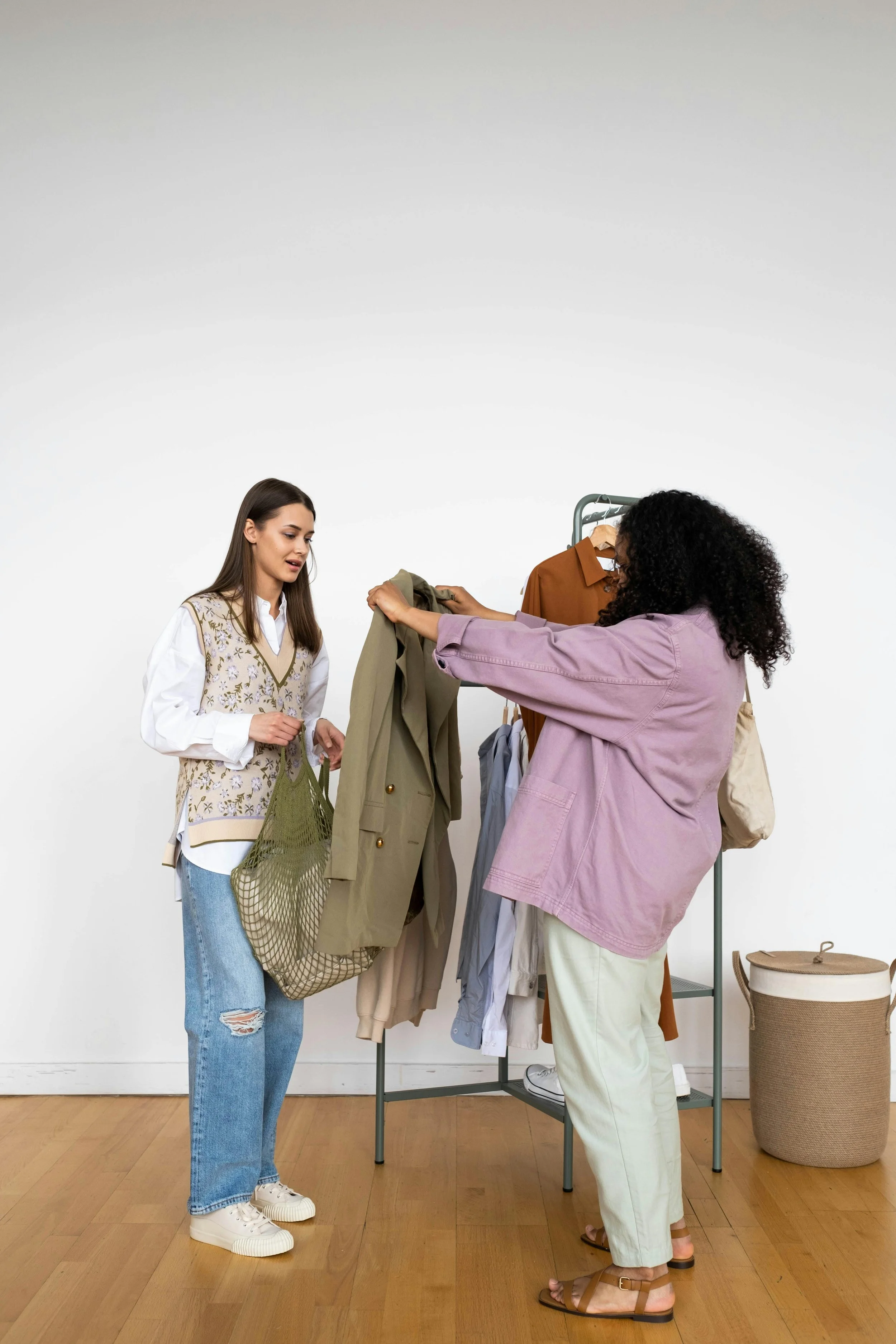
My fourth prediction is that sustainable fashion curriculum will enter schools and colleges. As more of us become aware of the issues going on, I see more fashion professors and students taking action. Education is key to making changes, so this would be a perfect way to start transforming the industry. And I also see more sustainable fashion clubs emerging, led by concerned fashion students. It is such a great way to connect over DIY, upcycling, mending, and clothing swaps.
If you have never participated in a swap, they are extremely fun, and you get to meet a lot of new people. I also predict that more schools will host just sustainable fashion-themed shows. It’s fun to be creative, to design from what already exists, and prevent clothing from going to the landfill.
5. Local communities form around sustainable fashion
My fifth prediction is that more local communities form sustainable fashion clubs, like knitting, crocheting, sewing, DIY, and mending. This is different from the college hubs, because local efforts are usually hosted in cafes and libraries for anyone. They are typically free, but it depends on the organization and host leading these efforts.
I do believe that these spaces are perfect to meet new people, learn new skills, and normalize hanging out without spending money.
But this prediction will come with time as more people become aware of the issues in the fashion industry. I also believe that the events to be accessible and widely marketed to get many people to come together.
6. France finally bans Shein
My sixth prediction is that France will effectively ban Shein from the country. The brand will no longer be able to promote or sell fast fashion at all! France has currently been focused on taking Shein to court, such as when they sold weird child dolls.
They have also tried to ban ads and have tried to stop Shein from opening more stores. If you are not aware, Shein opened up its first physical store in 2025 despite everything the government did to stop them.
I have a feeling that France will find something that Shein cannot fight them on and will be forced to leave.
It may take the rest of 2026 to happen, but I bet by 2027, the French government will be able to crack the brand and get rid of their first physical store in the country. I also think that France’s efforts will set an example for other countries to also take action against fast fashion.
7. Fast fashion brands release “sustainable fashion” collections
My seventh prediction is that fast fashion brands will release “sustainable fashion” collections. I believe that the rise in secondhand fashion will give brands …. many ideas, and make things up to say they care about the planet.
But this reminds me of H&M’s “eco” collection that was so full of BS that it became a staple example of what not to do. Yet, I do think that brands have to understand that we want real change. We deserve to have clothing not made from exploitation, that doesn’t fall apart when we wash it, and is made to fit us.
And I know that we are catching on and paying attention, so brands need to do better, even when they think they can get away with making collections and calling it sustainable fashion.
8. Collection bins appear inside fast fashion stores
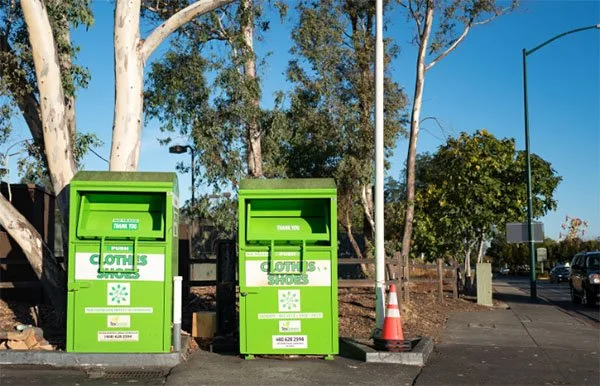
My eighth prediction is that collection bins will appear in stores, especially within malls. There have been a bunch out in parking lots from textile waste collectors, but I think brands will get in on the business.
I see this happening because there is money to be made reselling clothing. And right now, all we have are random textile collectors. I have always been curious what they do with the clothing, but if brands are collecting used clothing, no matter the brand, it could give us more clarity on what's going on.
Yet, this doesn’t mean that brands should expect us to believe the problem will be fixed with our individual choices or that the textile collectors will fix the mess for them. Personally, I believe that brands that produce something in the world should have the responsibility to ensure it has a positive effect on the world. If not, they are wasting our time, and everything else is a band-aid solution to the flood of issues they are creating.
9. Influencers are held accountable for overconsumption
My ninth prediction is that influencers, especially fashion creators, will be held accountable for content promoting overconsumption. I see 2026 as the year they will face direct criticism for excessive hauls and constant newness. We really don’t see ourselves liking that anymore when the world is struggling….
I have already seen that audiences are already side-eyeing weekly PR unboxings and 40-item try-on hauls, and so by 2026, this backlash will be louder and harder to ignore.
Creators who fail to adapt will likely lose our trust, while those who show outfit repeats, shop their closet, or repair items will be seen as more relatable and real. I truly think if we care about others and the planet, it will be seen and respected. It's not lame to do the right thing…
10. Secondhand special occasions options
My tenth and final prediction is that buying secondhand for special occasions will be more normalized. I think fashion rentals will be the go-to solution for events like weddings, graduations, galas, and parties.
Especially as prices rise and fast fashion quality continues to decline, people will realize it makes zero sense to buy a brand-new outfit for a single night. I think we’ll see more curated secondhand formalwear shops and peer-to-peer rental systems in major cities across the globe. And I hope more secondhand options pop up in Chicago, including more vintage fests and events.
Ok, that was all my sustainable fashion predictions for the year to come. Please let me know what your predictions are in the comments.
Until the next time, peace and love. Ellie Rose